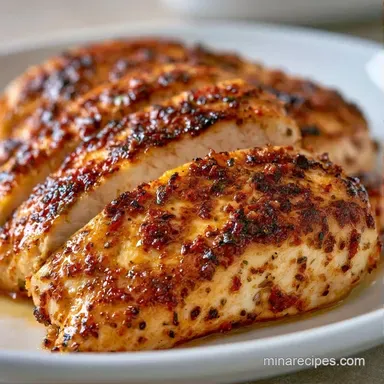
Tender Baked Chicken Breast: Juicy and Savory
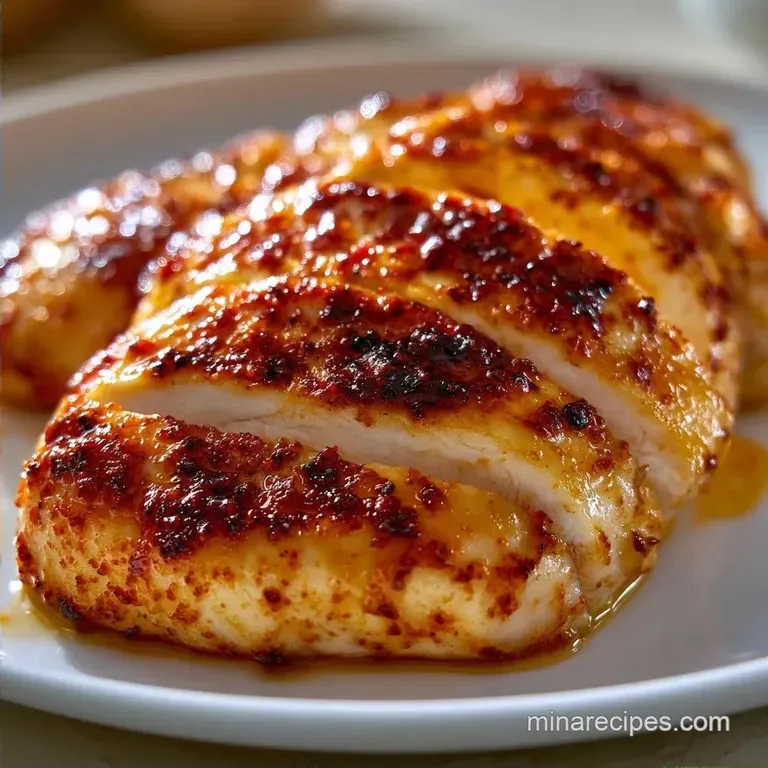
- Time: 5 min active + 20 min cook = 35 min total
- Flavor/Texture Hook: Velvety interior with a smoky, savory crust
- Perfect for: Weeknight dinners and high protein meal prep
Ever wonder why restaurant chicken feels silky while the stuff we make at home often feels like chewing on a rubber band? I used to think it was some secret brine or a fancy oven, but it actually comes down to one simple, slightly aggressive tool: the meat mallet.
For years, I just tossed the breasts in the oven and hoped for the best, only to find the thin end was dry as a bone while the thick part was barely cooked.
It was a total mess until I realized that chicken breasts are basically shaped like lightbulbs, which is the worst possible shape for even cooking. Once I started pounding them to a uniform thickness, everything changed.
Now, the aroma of smoked paprika and garlic hitting the heat fills my kitchen, and the results are consistently velvety.
You can expect a dish that is juicy and holds its flavor without needing a gallon of gravy to make it edible. This Tender Baked Chicken Breast approach focuses on speed and precision, so you aren't hovering over the oven for an hour. Let's crack on and get this right.
Tender Baked Chicken Breast Tips
Right then, let's talk about why this actually works. Most people bake chicken at a low temperature like 350°F, but that's a mistake. By the time the center is safe to eat, the outside has been leaching moisture for way too long.
- Thermal Momentum
- 400°F (200°C) heat cooks the meat quickly, searing the outside before the inside dries out.
- Geometry Fix
- Pounding the meat to 3/4 inch ensures every square inch hits the target temperature at the same time.
- Carryover Heat
- Pulling the meat at 160°F (71°C) allows the internal temperature to glide up to 165°F (74°C) while resting, preventing overcooking.
- Surface Tension
- Patting the meat bone dry before oiling allows the spices to adhere and the heat to penetrate without steaming the meat.
| Method | Time | Texture | Best For |
|---|---|---|---|
| Low & Slow (350°F) | 30-40 mins | Often dry/stringy | Large whole birds |
| High Heat (400°F) | 20 mins | Velvety/Juicy | Individual breasts |
| Poaching | 15-20 mins | Soft/Bland | Salads/Shredding |
This over high heat approach is all about efficiency. If you've ever tried those "slow roast" methods for boneless breasts, you know they usually end up tasting like cardboard. We want that sizzle.
Component Analysis
| Ingredient | Science Role | Pro Secret |
|---|---|---|
| Olive Oil | Heat Conductor | Helps spices stick and prevents sticking to the pan |
| Kosher Salt | Moisture Draw | Draws juices to surface then pushes them back in |
| Smoked Paprika | Flavor/Color | Adds a "grilled" aroma without an actual grill |
| Garlic Powder | Umami Boost | Dissolves better than fresh garlic at high heat |
Trust me on the salt. Use Kosher salt if you can. The larger grains don't dissolve instantly, which helps create a better crust on the meat.
What You'll Need
For this recipe, you don't need a pantry full of exotic stuff. We're keeping it simple but effective.
- 4 boneless skinless chicken breasts, 6 oz each Why this? Consistent size means consistent cook times
- 2 tbsp olive oil Why this? High smoke point and neutral flavor
- 1 tsp kosher salt
- 1/2 tsp cracked black pepper
- 1 tsp garlic powder
- 1 tsp smoked paprika
- 1/2 tsp dried oregano
If you don't have olive oil, avocado oil is a brilliant swap because it handles the 400°F heat even better. For the oregano, you can use dried basil if you want a slightly sweeter, more Italian vibe.
| Original Ingredient | Substitute | Why It Works |
|---|---|---|
| Olive Oil (2 tbsp) | Avocado Oil (2 tbsp) | Higher smoke point. Note: Extremely neutral flavor |
| Smoked Paprika | Sweet Paprika | Same color. Note: Lacks the woody, charred flavor |
| Dried Oregano | Dried Basil | Similar herbal profile. Note: Slightly sweeter taste |
| Kosher Salt | Sea Salt | Similar mineral content. Note: May be saltier depending on grain |
Honestly, don't even bother with low-fat oil sprays here. You need a real coating of oil to get that velvety finish and ensure the spices don't just burn off in the oven.
Equipment Needed
You don't need a professional kitchen, but a few specific tools make this Tender Baked Chicken Breast a breeze.
- Meat Mallet: This is non negotiable. If you don't have one, a heavy rolling pin or even a sturdy skillet works.
- Instant Read Thermometer: This is the only way to guarantee juiciness. Guessing based on "color" is how you get dry chicken.
- Baking Sheet: A standard rimmed sheet is perfect.
- Parchment Paper: Stops the chicken from sticking and makes cleanup a 10 second job.
- Plastic Wrap: To protect the meat while you pound it.
Step-by-step Instructions
Let's get into the actual process. Follow these steps, and you'll avoid the rubbery trap.
- Place chicken breasts between two sheets of plastic wrap. Use a meat mallet or rolling pin to gently pound the thickest part until the entire piece is a uniform thickness of about 3/4 inch. Note: This prevents the thin end from overcooking.
- Pat the chicken completely dry with paper towels. Rub olive oil over all sides. Note: Moisture on the surface creates steam, which stops the meat from searing.
- Combine the salt, pepper, garlic powder, paprika, and oregano in a small bowl. Sprinkle evenly over the meat, pressing the spices in with your fingers until fully coated.
- Preheat oven to 400°F (200°C). Place the seasoned breasts on a parchment lined baking sheet.
- Bake for 18-22 minutes until the edges are golden and the aroma is savory.
- Remove chicken from the oven when the internal temperature reaches 160°F (71°C) as measured by an instant read thermometer. Note: Do not wait for 165°F in the oven!
- Transfer the chicken to a plate. Tent loosely with foil and let the meat rest for 5-10 minutes until the internal temperature rises to 165°F (74°C).
Chef's Note: If you're in a rush, don't skip the rest. If you cut into the chicken immediately, all those velvety juices will run out onto the plate, leaving the meat dry.
Avoiding Kitchen Disasters
Even the best of us mess up sometimes. I once forgot to pound my chicken and ended up with pieces that were half raw and half charred. It was a disaster.
Troubleshooting Common Issues
| Issue | Solution |
|---|---|
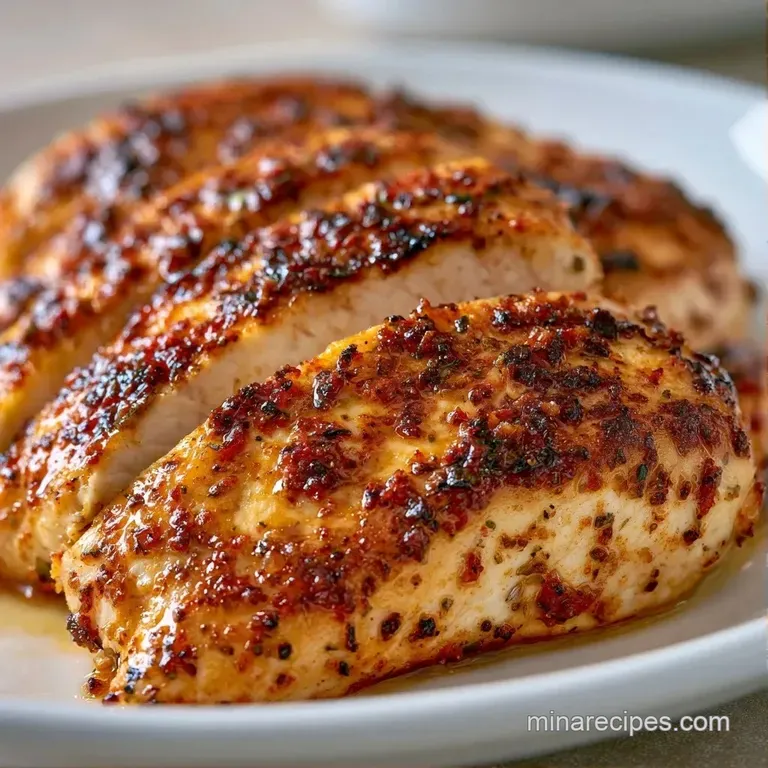
| Why Your Chicken is Dry | This usually happens because you left the meat in the oven until it hit 165°F. Because of carryover cooking, the temperature continues to climb after it's removed from the heat. |
| Why Your Chicken is Rubbery | Rubbery meat is often a result of under pounding or using chicken that hasn't been patted dry. When the meat is too thick, you have to cook it longer, which toughens the exterior fibers. |
| Why Spices Didn't Stick | If your spices are falling off in clumps, you likely skipped the oil rub or the chicken was too wet. The oil acts as the glue that holds the seasoning to the protein. |
Common Mistakes Checklist
- ✓ Pounding the meat to a uniform thickness
- ✓ Patting the surface completely dry
- ✓ Using a thermometer instead of a timer
- ✓ Resting the meat for at least 5 minutes
- ✓ Preheating the oven fully before sliding the pan in
Make It Your Own
Once you've nailed the basic Tender Baked Chicken Breast, you can start playing with the flavors. The base method remains the same, but the spice blend can shift.
For a zesty twist, add a teaspoon of lemon zest and some dried thyme to the rub. If you're feeling fancy, you can brush a little melted butter mixed with honey on the chicken during the last 3 minutes of baking for a sticky, sweet and savory glaze. This pairs beautifully with a side of Simple Homemade Garlic Bread for a full comfort meal.
Decision Shortcut
- If you want more char: Broil the chicken for the last 2 minutes.
- If you want extra moisture: Bake the breasts in a foil packet.
- If you want a different protein: This works for pork chops too, just adjust the temp.
2 Diet Swaps
- Keto/Low Carb: This recipe is already naturally keto. Just ensure your garlic powder has no added sugar.
- dairy free: We use olive oil, so this is already dairy-free. If you want a creamy topping, use a cashew based cream.
Scaling the Recipe
Cooking for a crowd? Don't just double everything blindly.
When scaling up to 8 or 12 breasts, work in batches. If you crowd the baking sheet, the chicken will release moisture and steam instead of searing, and you'll lose that golden crust. Use two separate pans and rotate them halfway through the cook time.
For the seasoning, I find that doubling the meat doesn't always require doubling the salt. I usually go with about 1.5x the salt and spices when doubling the recipe to avoid it becoming overly salty.
If you're scaling down to just one or two breasts, reduce the cook time by about 20%, but always rely on your thermometer.
| Amount | Pan Setup | Salt Adjustment | Time Adjustment |
|---|---|---|---|
| 1-2 Breasts | Small sheet | Exact ratio | Reduce by 20% |
| 4 Breasts | Medium sheet | Exact ratio | Standard |
| 8+ Breasts | Multiple sheets | 1.5x Salt/Spices | Standard (rotate pans) |
Remember, the internal temperature is the only truth. Whether you're cooking one piece or ten, 160°F (71°C) is your magic pull number.
Truths About Cooking Chicken
There are a few things people tell you about chicken that just aren't true. Let's set the record straight.
Searing meat does not "seal in juices." This is a classic myth. While a sear adds incredible flavor and a golden crust, moisture loss happens throughout the cooking process regardless of the sear. The juiciness comes from not overcooking the interior.
Another common belief is that you must bring chicken to room temperature before baking. For thick steaks, this helps, but for a 3/4 inch chicken breast, it doesn't make a measurable difference in cook time or quality. Just get it in the oven.
Preservation Secrets
If you have leftovers, you're in luck. This Tender Baked Chicken Breast is a meal prep superstar.
Storage: Keep the chicken in an airtight container in the fridge for 3-4 days. To keep it from drying out when reheating, add a teaspoon of water or a pat of butter to the container before microwaving.
Freezing: You can freeze cooked chicken for up to 3 months. Wrap it tightly in foil and then place it in a freezer bag. Thaw it in the fridge overnight for the best texture.
Zero Waste: Don't throw away the juices left on the parchment paper. If you have some veggie scraps, you can deglaze the pan with a bit of water or white wine and use the liquid as a base for a sauce. Alternatively, if you have leftover pieces, they're perfect for a Comforting Chicken Noodle Soup the next day.
What to Serve This With
Since the chicken is savory and smoky, you want sides that provide a bit of brightness or creaminess.
A crisp green salad with a lemon vinaigrette cuts through the richness of the olive oil and paprika. Alternatively, some steamed broccoli or roasted carrots add a natural sweetness that balances the garlic. If you want something heartier, a scoop of mashed potatoes or a side of wild rice works perfectly.
The beauty of this recipe is its versatility. Because the flavor is balanced, it doesn't clash with most side dishes. Whether it's a healthy weeknight meal or a bit more indulgent, the velvety texture of the meat makes it the star of the plate. Just remember: pound it, sear it, and let it rest.
Trust me, your taste buds will thank you.
Recipe FAQs
How to get tender chicken breasts in the oven?
Pound the meat to a uniform 3/4 inch thickness. Using a meat mallet ensures the thickest part cooks at the same rate as the edges, preventing the meat from toughening.
How do you cook chicken breast in the oven so it's not dry?
Remove the chicken from the oven when it hits 160°F (71°C). Carryover cooking will naturally raise the internal temperature to 165°F (74°C) during the resting period.
How to bake boneless chicken breasts?
Bake at 400°F (200°C) for 18 22 minutes on a parchment lined baking sheet. Ensure the meat is patted dry and coated in olive oil before adding your seasonings.
Can a diabetic eat baked chicken?
Yes, baked chicken is a great option. It provides a lean source of protein without the added sugars or carbs that cause blood glucose spikes.
Is it true that chicken must reach 165°F inside the oven to be safe?
No, this is a common misconception. Pulling the meat at 160°F and letting it rest under foil allows it to reach the safe 165°F mark without overcooking the fibers.
What are some simple variations for baking chicken breasts?
Switch the spice blend or roast the meat with fresh vegetables. If you want a more savory, herb forward profile, try the flavors used in our Mediterranean style chicken.
How to prevent the spices from falling off the meat?
Pat the chicken completely dry before rubbing with olive oil. The oil creates a tacky surface that binds the salt, pepper, and paprika to the meat.
Tender Baked Chicken Breast