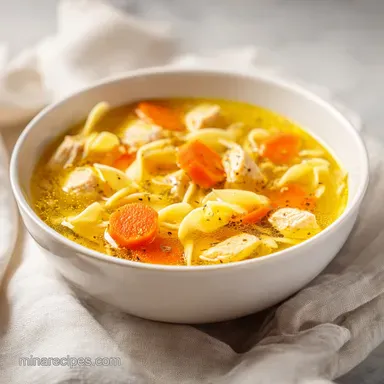
Comforting Homemade Chicken Noodle Soup: Silky and Gold
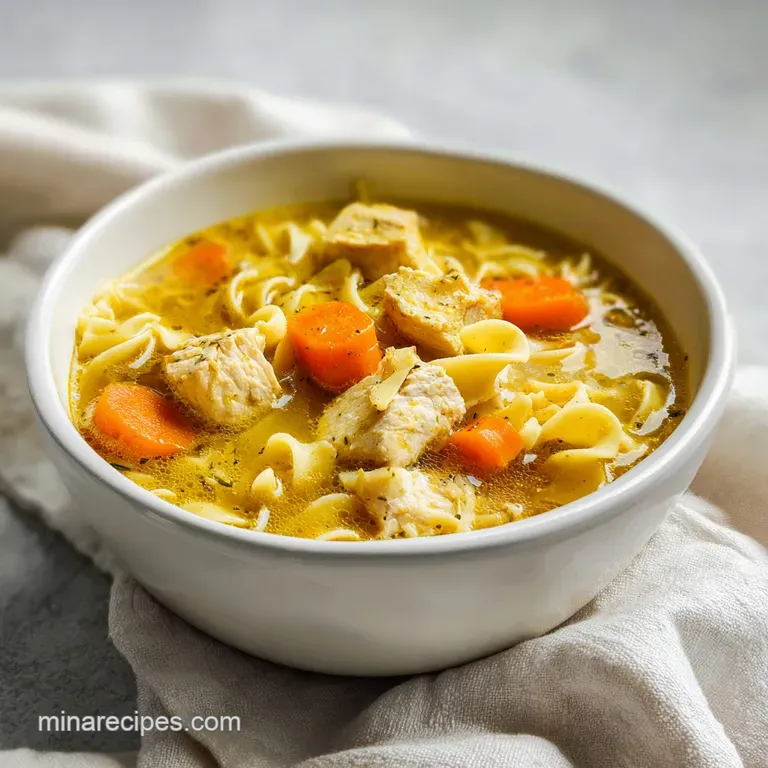
- Time:15 minutes active + 30 minutes cook = 45 minutes total
- Flavor/Texture Hook: Silky, gold hued broth with velvety noodles
- Perfect for: Rainy days, flu season, or a low stress weeknight dinner
- Comforting homemade chicken noodle soup
- Key Techniques Explained
- Recipe Specs
- Shopping List Breakdown
- Equipment Needed
- How to Make It
- What Can Go Wrong (and How to Fix It)
- Troubleshooting Common Issues
- Variations & Substitutions
- Myths and Misconceptions
- Storage and Freshness
- Serving Suggestions
- Critical Sodium Level
- Recipe FAQs
- 📝 Recipe Card
That first sizzle of butter hitting a heavy pot is where the magic starts. There's something about the smell of onions, carrots, and celery softening together that just signals "safety" to my brain.
I remember one specific winter where I was absolutely wiped out with a cold, and I tried to cheat by using pre cut frozen veg and a cube of bouillon. It was fine, but it lacked that soul, that depth that makes you feel better just by smelling it.
I spent the next few months obsessing over how to get that old-fashioned taste without spending eight hours hovering over a stove. I realized the trick isn't in the length of time, but in how you layer the flavors and the tiny bit of acidity you add right before serving.
We're going for something that feels like grandma's kitchen but fits into a 45 minute window. This comforting homemade chicken noodle soup is all about balance, using simple ingredients to create a broth that feels rich and restorative.
Comforting homemade chicken noodle soup
Right then, let's get into the guts of this. Most people think you need to boil a whole carcass for a day to get a good soup, but if you use a high-quality broth and treat your aromatics right, you can get there way faster. It's all about the sequence.
The goal here is a broth that's gold and clear, not cloudy, and chicken that's tender rather than rubbery. I've seen too many recipes that boil the chicken into oblivion. We're going to gently simmer it so it stays juicy.
Whether you're making this for a sick kid or just because it's freezing outside, this version hits all the right notes. It's the kind of meal that makes the whole house smell like a home.
Key Techniques Explained
I've spent a lot of time wondering why some soups taste flat while others taste deep. It usually comes down to a few small things that most recipes just gloss over.
Fat Coating: Sautéing the vegetables in butter instead of oil creates a richer mouthfeel and helps the thyme release its oils. It basically coats the carrots and celery, making them taste sweeter as they soften.
Acid Brightening: Adding lemon juice at the very end doesn't make the soup taste like lemon, it just "wakes up" the salt and chicken flavors. It's like turning the lights on in a dark room.
Starch Control: Adding the noodles last prevents them from absorbing every drop of liquid. If you cook them too long, you end up with a porridge instead of a soup.
Gentle Heat: We keep the broth at a simmer, not a rolling boil. High heat toughens the chicken breast, while a low bubble keeps it velvety.
| Method | Time | Texture | Best For |
|---|---|---|---|
| Freshly Sautéed | 45 mins | Clear broth, tender veg | Maximum flavor and health |
| Slow Cooker | 6 hours | Softer veg, shredded meat | Set and forget convenience |
| Pressure Cooker | 20 mins | Very soft veg, fast | Extreme time crunch |
Recipe Specs
When you're prepping this, you've got to be mindful of your timing. I've broken it down so you aren't rushing. The prep is a quick 15 minutes, mostly just chopping. The actual cooking takes 30 minutes, but it's mostly passive time while things simmer.
I recommend using a Dutch oven if you have one. The thick walls hold heat way better than a thin pot, which prevents the bottom from scorching when you're sautéing your aromatics.
If you're in a rush, you can use a food processor for the onion and celery, but be careful not to turn them into a paste. You want actual pieces of veg in there for that rustic feel.
Shopping List Breakdown
Don't go for the cheapest broth you can find. Since the broth is the star of this comforting homemade chicken noodle soup, a low sodium, high-quality stock makes a world of difference. Using low sodium allows you to control the salt yourself, so it doesn't end up tasting like a salt lick.
The Protein
We're using boneless skinless chicken breasts here. Some people swear by thighs, which are great, but breasts keep the broth clearer and the prep faster. Just make sure you cube them into uniform 1 inch pieces so they all cook at the same rate.
The Aromatics
The "holy trinity" of onion, carrots, and celery is non negotiable. Use a yellow onion for that classic sweetness. For the carrots, I like to slice them into rounds about a quarter inch thick. If they're too thick, they'll stay hard; too thin, and they'll vanish into the broth.
The Liquid & Seasoning
The bay leaf is a sleeper hit here. It adds a subtle, herbal background note that you can't quite name but you'll miss if it's gone. The dried thyme brings that earthy, old-fashioned vibe.
| Ingredient | Science Role | Pro Secret |
|---|---|---|
| Unsalted Butter | Flavor Carrier | Brown it slightly for a nuttier taste |
| Low Sodium Broth | Body & Base | Simmer, don't boil, to keep it clear |
| Lemon Juice | Brightness | Add only at the end to keep the zing |
| Egg Noodles | Heartiness | Cook 1 minute less than the package says |
Equipment Needed
You don't need a professional kitchen for this, just a few basics. A large stockpot or a 5-6 quart Dutch oven is the way to go. You need enough room for the liquid to bubble without splashing over the sides.
A sharp chef's knife is your best friend here. Dull knives make chopping celery a chore and can lead to uneven cuts. Also, have a slotted spoon handy for when you want to taste a piece of chicken without taking half the broth with you.
If you're feeling fancy, a microplane for the garlic is great, but a fine chop works just as well. Honestly, don't even bother with a fancy measuring cup for the parsley, just grab a handful.
How to Make It
Let's crack on with the actual cooking. This is where the layers of flavor really start to build. Trust me on the timing here, especially with the noodles.
Phase 1: Building the Flavor Base
Melt the 30g (2 tbsp) of unsalted butter over medium heat in your pot. Throw in the diced onion, sliced carrots, and celery. Sauté these for 6-8 minutes. You're looking for the onions to become translucent and the carrots to lose that raw, "crunchy" look.
Check: The onions should be see through, not browned.
Now, stir in the minced garlic and 1 tsp of dried thyme. Cook this for just 1 minute. The second you smell that garlic hitting the butter, it's done. If you cook it longer, the garlic can turn bitter and ruin the whole pot.
Phase 2: The Gentle Simmer
Pour in the 1.9L (8 cups) of low sodium chicken broth and drop in the bay leaf. Turn the heat up just enough to bring it to a gentle simmer. You don't want a violent boil, just a few bubbles breaking the surface.
Add your 680g (1.5 lb) of cubed chicken breast. Let this simmer for 12-15 minutes. You'll know it's ready when the chicken is opaque all the way through. If you have a meat thermometer, you're looking for 74°C (165°F).
Phase 3: The Finishing Touches
Stir in the 225g (8 oz) of wide egg noodles. Cook them for 6-8 minutes. This is the danger zone, so keep an eye on them. You want them tender but still having a slight "bite" to them, which we call al dente.
Fish out the bay leaf and toss it. Stir in the chopped parsley and the 1 tbsp of fresh lemon juice. Now, taste it. This is the most important part. Add your salt and cracked black pepper until the flavors pop.
Chef's Note: If you want a deeper color, you can sauté the chicken briefly in butter before adding the vegetables, but for this specific recipe, simmering them in the broth keeps the meat more velvety.
What Can Go Wrong (and How to Fix It)
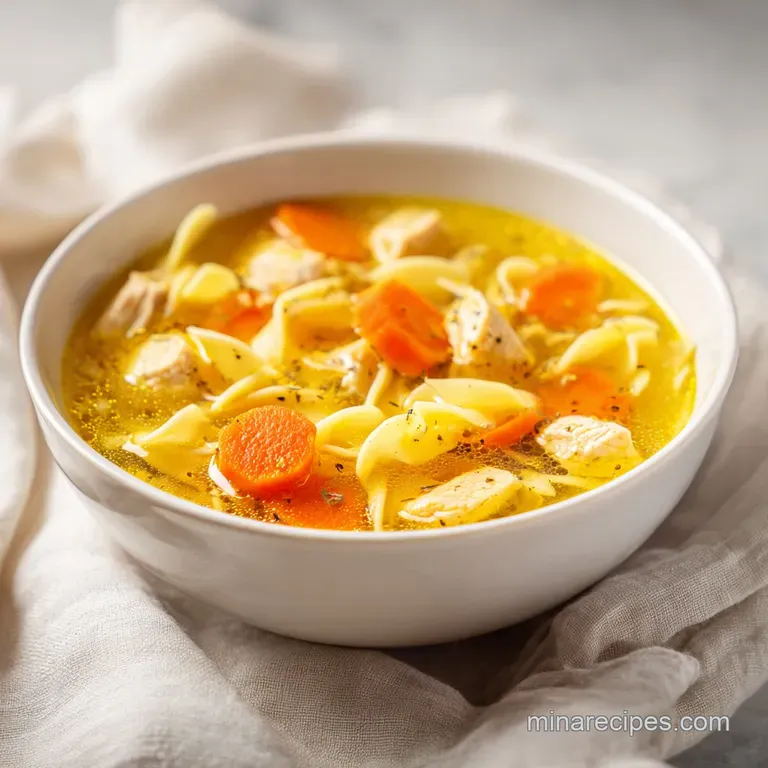
Even the best of us mess up a soup. Usually, it's something simple that can be fixed with a quick tweak.
Troubleshooting Common Issues
| Issue | Solution |
|---|---|
| Why Your Noodles Get Mushy | This usually happens if you let the soup sit on the heat for too long after the noodles are done, or if you store the soup with the noodles already in it. The noodles keep cooking in the hot liquid, a |
| Why the Broth Is Bland | If it tastes like "hot chicken water," you're likely missing acidity or salt. Salt enhances the existing flavors, but lemon juice provides the contrast that makes those flavors stand out. |
| Why the Chicken Is Dry | Overcooking the breast meat is the most common mistake. If you boil the soup aggressively for 30 minutes, the chicken fibers tighten up and become rubbery. Keep it at a low simmer. |
Common Mistakes Checklist
- ✓ Don't add salt until the very end, as broth reduces and gets saltier.
- ✓ Avoid using "chicken flavored water" instead of real broth.
- ✓ Don't skip the lemon juice, even if it feels weird for a soup.
- ✓ Ensure chicken cubes are the same size for even cooking.
- ✓ Never boil the soup once the noodles are added.
Variations & Substitutions
Depending on what you have in the pantry, you can tweak this comforting homemade chicken noodle soup without ruining the vibe.
For a Creamy Texture
If you want something more velvety, stir in 120ml (1/2 cup) of heavy cream or a dollop of sour cream at the very end. This turns it into a bit of a "chowder" style soup. It's incredibly rich and works well if you're serving it as a main course.
For a Healthy Twist
Swap the egg noodles for zoodles (zucchini noodles) or spiralized carrots. If you do this, add them in the last 2-3 minutes of cooking since they don't need nearly as much time. To keep it lean, you can use a spray of olive oil instead of butter, though you'll lose some of that richness. If you're looking for other healthy sides, my Easy Roasted Sweet Potatoes make a great accompaniment.
For gluten-free Needs
Use wide rice noodles or gluten-free egg noodles. Just be careful, as rice noodles can go from "hard" to "mush" in about 30 seconds. I recommend cooking them separately and adding them to the bowl just before pouring the soup over.
| Original Ingredient | Substitute | Why It Works |
|---|---|---|
| Egg Noodles (8 oz) | Rice Noodles | GF alternative. Note: Cook separately to avoid mush |
| Chicken Breast | Chicken Thighs | More fat/flavor. Note: May make broth slightly oilier |
| Unsalted Butter | Olive Oil | Plant based. Note: Lacks the creamy, nutty finish |
If you're scaling this up for a crowd, just remember that you don't need to double the salt or the thyme. Spices often intensify when you make larger batches. I usually multiply the main ingredients by two, but only increase the seasoning by about 1.5x.
Myths and Misconceptions
There are a few "rules" about soup that I've found are just plain wrong.
Myth: You must use a whole chicken for real flavor. Truth: While a whole bird gives you more collagen, a high-quality store-bought broth combined with sautéed aromatics gets you 90% of the way there in a fraction of the time. For a weeknight meal, the breast and broth method is totally valid.
Myth: Searing the chicken "locks in" the juices. Truth: Searing adds flavor (that brown crust), but it doesn't actually stop the meat from losing moisture. In a soup, the gentle simmer is what keeps the chicken tender, not a hard sear at the start.
Myth: Adding noodles first makes the soup thicker. Truth: Yes, it does, but it does so by stealing all the broth. You end up with a thick stew and very overcooked noodles. Always add your starch last.
Storage and Freshness
If you have leftovers, you've got a couple of options. In the fridge, this soup will stay good for about 3-4 days. However, the noodles will continue to soak up the broth while they sit. When you reheat it, you'll likely need to add a splash of water or more broth to loosen it back up.
For the freezer, I have a huge tip: freeze the soup without the noodles. Put the chicken and veg broth in a freezer bag or container for up to 3 months. When you're ready to eat, heat the broth and drop in some fresh noodles. This prevents the "mush" factor entirely.
To avoid waste, save your onion skins, carrot ends, and celery tops in a freezer bag. Once the bag is full, boil them with water for a few hours to make your own free vegetable stock for the next time you make this recipe.
Serving Suggestions
This comforting homemade chicken noodle soup is a meal on its own, but a few additions make it feel like a restaurant dish. I love serving it with a big slice of crusty sourdough or, if you're feeling extra, some Homemade Bread Bowls. The bread soaks up that golden broth and makes the whole experience way more indulgent.
For a bit of contrast, a side of crisp greens with a sharp vinaigrette cuts through the richness of the butter and chicken. Some people like to add a sprinkle of extra cracked black pepper or a dash of hot sauce for a little kick.
Right then, you're all set. This recipe is all about simplicity and comfort. Just remember to keep the heat low and the lemon fresh, and you'll have a pot of gold on your stove. Happy cooking!
Critical Sodium Level
1350 mg 1,350 mg of sodium per serving (59% 59% of daily value)
The American Heart Association recommends a daily limit of 2,300mg of sodium for most adults to reduce the risk of hypertension and heart disease.
Sodium Reduction Strategies
-
Swap the Broth-30%
Replace the low-sodium chicken broth with homemade unsalted chicken stock or water infused with extra mirepoix for a cleaner taste.
-
Eliminate Added Salt-25%
Completely remove the 1 tsp of salt; the inherent sodium in the broth and noodles is usually sufficient for flavor.
-
Check Your Noodles-10%
Substitute wide egg noodles with salt free pasta or a fresh alternative like diced carrots or zucchini to lower processed sodium.
-
Enhance with Acidity
Increase the fresh lemon juice and add more chopped parsley to provide a 'bright' flavor that mimics the taste of salt.
Recipe FAQs
Can I freeze the soup with the noodles included?
No, freeze the soup without the noodles. This prevents the noodles from absorbing all the liquid and becoming mushy during storage.
Why does my broth taste bland or like "hot chicken water"?
You are likely missing acidity or salt. Salt enhances existing flavors, while the lemon juice provides the necessary contrast to make those flavors stand out.
How to prevent the chicken breast from becoming dry?
Simmer the cubed chicken for only 12 15 minutes. Overcooking the breast meat is the most common cause of dryness in this recipe.
How to keep the noodles from getting mushy?
Cook the egg noodles for 6 8 minutes until just al dente. Avoid letting the soup sit on the heat once the noodles are finished.
Do I need to add anything when reheating leftovers?
Yes, add a splash of more broth. The noodles continue to soak up the liquid while sitting in the fridge, so the soup needs loosening.
Is it true I must boil the noodles separately to avoid a cloudy broth?
No, this is a common misconception. Cooking them directly in the pot for 6 8 minutes adds a comforting body to the soup.
What is the best way to serve this soup?
Serve it hot in bowls with fresh parsley. If you enjoyed the efficiency of this one-pot method, apply the same streamlined prep approach to our garlic butter salmon.
Comforting Homemade Chicken Noodle Soup