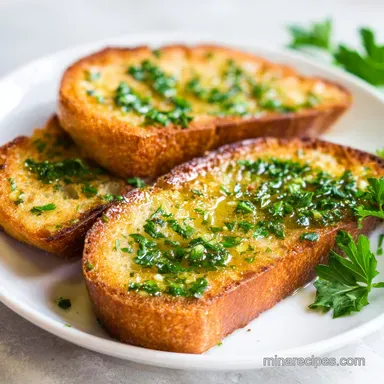
Simple Homemade Garlic Bread: Crispy and Golden
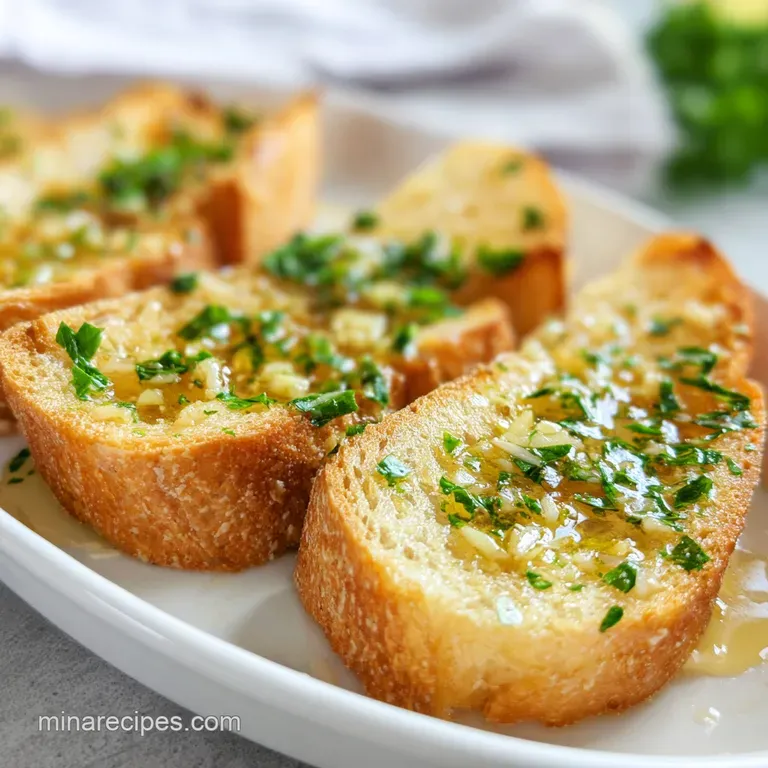
- Time: 5 min active + 15 min baking = Total 20 mins
- Flavor/Texture Hook: Nutty, mahogany crust with a velvety, garlic infused center
- Perfect for: Weeknight pasta nights or a quick appetizer for guests
The sound of that first bite is everything. You know the one, where the crust literally shatters under your teeth, followed by that warm, salty, garlicky center that just melts. For me, this dish is a total throwback to Sunday dinners at my grandma's house.
I remember the smell of toasted garlic wafting through the hallway, acting like a siren song that pulled everyone toward the kitchen before the pasta was even drained.
I'll be honest, I used to mess this up all the time. I'd either use too much butter and end up with a soggy, oil soaked sponge, or I'd burn the garlic and leave a bitter aftertaste that ruined the whole loaf. It took a few "learning experiences" (and a few thrown out loaves) to realize that the secret isn't just the garlic, it's the fat ratio. Once I figured out how to balance the butter and oil, this simple homemade garlic bread became the one thing everyone asks me to bring to the potluck.
Simple homemade garlic bread
Right then, let's get into it. You don't need a bakery or a fancy oven to get that restaurant style result. All you need is a decent loaf of bread and a bit of patience with your garlic mince. The goal here is contrast: we want the outside to be gold and crunchy, but the inside to remain soft and pillowy.
Whether you're serving this alongside a big bowl of spaghetti or just eating it as a midnight snack, the key is using high-quality butter. Don't even bother with the low-fat stuff here; it won't give you that velvety mouthfeel or the rich, nutty aroma. Trust me on this, the real butter makes the whole thing sing.
Why This Works
I've spent a lot of time wondering why some garlic breads are soggy and others are crisp. It turns out it's all about how the fats behave under heat.
- Fat Synergy: Mixing butter with olive oil raises the smoke point, which prevents the butter from burning while allowing the bread to brown deeply.
- Aromatic Infusion: Stirring the garlic into a paste ensures the flavor is distributed evenly, so you don't get one bite of pure garlic and another of plain butter.
- Surface Area: Slicing the loaf lengthwise creates a wide "landing pad" for the garlic butter, allowing the heat to penetrate the crumb without drying it out.
- Temperature Shock: Hitting the bread at 400°F (200°C) creates an immediate sear on the butter, locking in moisture while the edges caramelize.
| Method | Time | Texture | Best For |
|---|---|---|---|
| Oven Bake | 15 mins | Shatter crisp edges | Crowd serving |
| Air Fryer | 8 mins | Extra crunchy | Single servings |
| Griddle | 5 mins | Flat and toasted | Quick breakfast |
Garlic Spread Component Analysis
Before we get to the list, let's look at what these ingredients are actually doing. Most people think it's just "butter and garlic," but there's a bit more going on.
| Ingredient | Science Role | Pro Secret |
|---|---|---|
| Unsalted Butter | Primary Fat/Flavor | Use European style butter for a richer taste |
| Olive Oil | Heat Stabilizer | Prevents the milk solids in butter from scorching |
| Fresh Garlic | Pungent Base | Mince by hand for better flavor than a press |
| Sea Salt | Flavor Enhancer | Use coarse grains for a slight textural pop |
Shopping List Breakdown
Grab these items from the store. I've listed the exact amounts we need for a standard loaf.
- 1 loaf (16 oz / 450g) French or Italian bread Why this? Crusty exterior and airy crumb handle the butter well
- 1/4 cup (57g) unsalted butter, softened Why this? Allows for a smooth, velvety paste
- 2 tbsp (30ml) extra virgin olive oil Why this? Adds a fruity note and prevents burning
- 3 cloves (9g) garlic, finely minced Why this? Provides the sharp, signature aroma
- 1 tbsp (4g) fresh parsley, chopped Why this? Cuts through the richness with freshness
- 1/2 tsp (3g) sea salt Why this? Sharpens the garlic flavor
If you're looking for more bread based ideas, you might love my Homemade Bread Bowls for a cozy soup night.
| Original Ingredient | Substitute | Why It Works |
|---|---|---|
| Unsalted Butter | Salted Butter | Same fat content. Note: Reduce added sea salt by half |
| French Bread | Sourdough | More tang and structure. Note: May require 2 extra mins in oven |
| Fresh Parsley | Dried Parsley | Similar color. Note: Use only 1 tsp as dried is more potent |
| Olive Oil | Melted Coconut Oil | Similar heat stability. Note: Adds a slight tropical sweetness |
Honestly, don't bother with pre minced garlic from a jar. It has a metallic tang that ruins the whole vibe of a simple homemade garlic bread. Take two minutes to chop it yourself. According to Serious Eats, the way you cut your garlic changes the flavor profile, and a fine mince gives you the most consistent distribution.
Essential Kitchen Tools
You don't need a fancy arsenal for this, just a few basics.
- A serrated bread knife (essential for not crushing the loaf)
- A medium mixing bowl
- A silicone spatula or offset spatula
- A foil lined baking sheet (makes cleanup a breeze)
- A measuring cup and spoon set
Key Steps
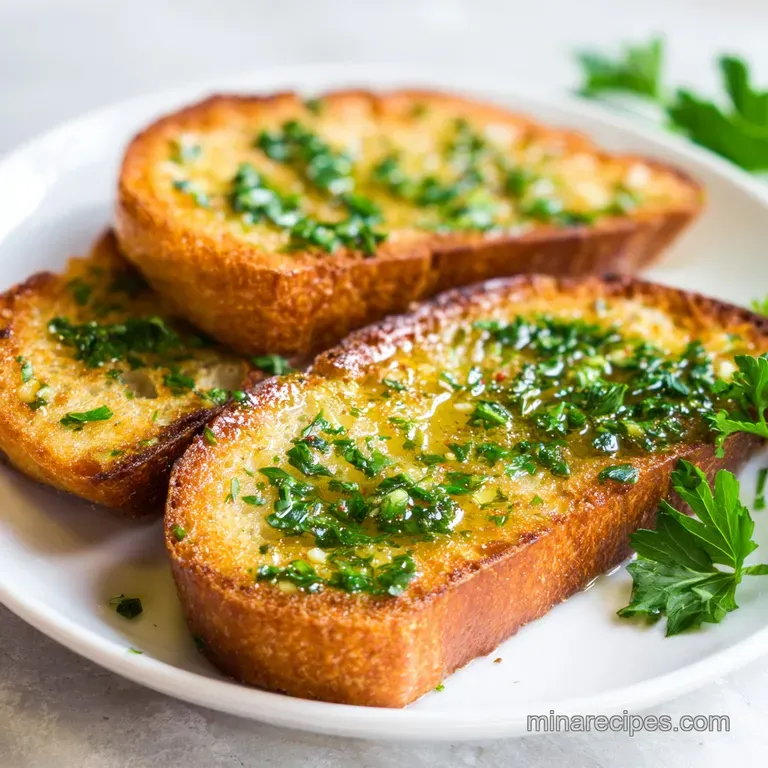
Let's crack on. Follow these steps exactly, and you'll get that mahogany finish every time.
- Combine the softened butter, olive oil, minced garlic, parsley, and salt in a medium bowl.
- Stir vigorously until the mixture is a smooth, velvety paste with no lumps of butter remaining. Note: This ensures you don't get "butter pockets" in your bread.
- Preheat your oven to 400°F (200°C).
- Slice the bread loaf in half lengthwise. Note: Use a sawing motion with your serrated knife to keep the bread airy.
- Using a spatula, spread the garlic mixture evenly across the cut sides.
- Ensure the butter reaches the very edges until every inch of the crumb is covered. Note: This prevents the edges from drying out.
- Place the bread cut side up on a foil lined baking sheet.
- Bake for 12–15 minutes until the edges turn a deep mahogany color and the center bubbles.
- Remove the loaf when it smells nutty and the crust feels firm.
- Let it rest for 2 minutes before slicing into individual pieces.
Avoiding Kitchen Disasters
Even with a simple homemade garlic bread, things can go sideways. Most issues come down to heat management or butter distribution.
Troubleshooting Common Issues
| Issue | Solution |
|---|---|
| Why Your Bread Is Soggy | This usually happens when the butter isn't spread evenly or the oven temperature is too low. If the butter pools in the center, it steams the bread instead of toasting it. Make sure your oven is fully |
| Why Your Garlic Tastes Bitter | Burnt garlic is a tragedy. This happens if you use a garlic press that creates "mush" rather than a mince, or if you bake the bread for too long. Keep an eye on the timer and pull it out the moment yo |
| Why the Edges Are Burnt | If your oven has "hot spots," one side of the loaf might char while the other is pale. Rotate your pan 180 degrees halfway through the baking time to ensure an even golden brown finish. |
Common Mistakes Checklist
- ✓ Using cold butter (makes it impossible to spread without tearing the bread)
- ✓ Skipping the olive oil (leads to faster burning of the butter)
- ✓ Over mincing garlic into a paste (increases the risk of bitterness)
- ✓ Not lining the pan with foil (leads to a smoky, burnt butter mess in the oven)
- ✓ Cutting the bread into slices before spreading the butter
Dietary Adaptations
I love a classic, but I know not everyone can eat the traditional version. Here are a few ways to tweak this without losing the soul of the dish.
Making it Vegan
Swap the unsalted butter for a high-quality vegan butter stick. I recommend something that is firm at room temperature rather than a tub margarine. The olive oil stays the same, and you'll still get that velvety texture.
Adding a Cheesy Twist
For a more indulgent version, sprinkle 1/2 cup of grated Parmesan or shredded Mozzarella over the garlic spread before baking. The cheese will bubble and brown, creating a salty, lacy crust. This is a great option if you're serving it as a main appetizer.
Using Different Breads
While a French loaf is the standard, you can use a sourdough baguette for more tang or even a ciabatta for a chewier texture. If you're feeling adventurous, you can use a Pizza Dough Recipe to make your own base first, then apply the garlic spread.
Keeping It Fresh
Since garlic bread is best enjoyed hot, you might wonder what to do with leftovers.
Fridge Storage Wrap the bread tightly in aluminum foil and store it in the fridge for up to 3 days. The butter will firm up, so don't try to slice it while it's ice cold.
Freezer Storage You can actually freeze the bread after spreading the butter but before baking. Wrap the halves tightly in plastic wrap and foil. They'll stay fresh for up to 2 months.
When you're ready, bake them straight from the freezer, adding about 5 minutes to the cook time.
Zero Waste Tips Don't throw away the garlic skins! If you're making a vegetable stock, toss those skins into the pot for an extra layer of aromatic depth. Also, any leftover garlic butter can be melted in a pan to sauté spinach or toss with pasta for a quick dinner.
How to Serve and Enjoy
The best way to eat simple homemade garlic bread is while it's still steaming. I love to serve it on a wooden board, sliced into thick diagonals.
The Dipping Station To take it to the next level, set up a small bowl of warm marinara sauce or a balsamic vinegar and olive oil blend. The acidity of the vinegar cuts right through the richness of the butter.
Classic Pairings This recipe is a natural partner for any Italian inspired meal. It's a must have for mussels in garlic white wine sauce or a creamy fettuccine alfredo. The crunch of the bread provides a necessary contrast to the soft textures of pasta and cream.
Decision Shortcut
- If you want a lighter version, replace half the butter with more olive oil.
- If you want a "restaurant" look, slice the bread into thick pieces but keep them attached at the bottom (hassleback style).
- If you're in a rush, use an air fryer at 375°F (190°C) for about 8 minutes.
High in Sodium
900 mg 900 mg of sodium per serving (39% 39% of daily value)
The American Heart Association recommends a daily sodium limit of no more than 2,300 mg for most adults.
Tips to Reduce Sodium
-
Eliminate Added Salt-25%
Completely omit the 1/2 tsp of sea salt. The garlic and butter provide plenty of flavor without the need for additional sodium.
-
Switch Your Bread-20%
Replace the commercial French or Italian loaf with a low-sodium bread option or a homemade version where you control the salt.
-
Add a Citrus Twist-10%
Add a teaspoon of fresh lemon zest to the butter mixture. The acidity tricks the palate into perceiving more saltiness than is actually present.
-
Enhance with Herbs
Double the fresh parsley or add dried oregano and crushed red pepper flakes to increase the flavor depth without adding any sodium.
Recipe FAQs
How to make your own simple garlic bread?
Mix softened butter, olive oil, minced garlic, parsley, and salt into a paste. Spread this mixture on sliced French or Italian bread and bake at 400°F (200°C) for 12 15 minutes.
What is the secret ingredient in garlic bread?
The combination of olive oil and butter. This blend creates a smoother, velvety paste that ensures a consistent golden brown finish and richer flavor.
Can you make garlic bread from normal bread?
Yes, you can. While French or Italian bread is standard, any sturdy loaf works; this side pairs perfectly with a one pot pasta.
Is it better to use garlic salt or garlic powder for garlic bread?
Fresh minced garlic is the best choice. Powder and salt lack the aromatic depth and pungent punch provided by fresh cloves.
Why is my garlic bread soggy?
Uneven butter distribution or a low oven temperature. If the butter pools in the center, it steams the bread instead of toasting it, so ensure your oven is fully preheated to 400°F.
Is it true that garlic always tastes bitter when baked?
No, this is a common misconception. Bitterness only occurs if the garlic is overbaked or pressed into a mush rather than finely minced.
How to prevent the edges from burning?
Monitor your oven for hot spots and use a strict timer. Remove the bread the moment the edges turn a deep mahogany color and the center bubbles.
Simple Homemade Garlic Bread