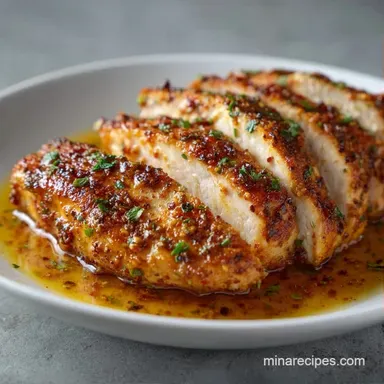
Simple Baked Chicken Breast: Juicy and Tender

- Time: 5 min active + 25 min cook
- Flavor/Texture Hook: Golden brown crust with velvety interior
- Perfect for: Weeknight dinner or high protein meal prep
- Simple Baked Chicken Breast
- Timing and Prep Details
- Ingredients You Will Need
- Tools for the Job
- Cooking Steps for Success
- Fixing Common Cooking Mistakes
- Swaps for Different Diets
- Storage and Reheating Tips
- Serving and Pairing Ideas
- Clearing Up Kitchen Myths
- Critical Sodium Level
- Recipe FAQs
- 📝 Recipe Card
I remember the first time I tried to "health bake" chicken. I followed some random advice to cook it low and slow, thinking I was being gentle with the meat. The result? A grey, rubbery slab that felt like chewing on a yoga mat. It wasn't just bland, it was physically exhausting to eat.
I actually had to hide half of it in the trash so my partner wouldn't see the failure.
That's when I realized that chicken breast is a fickle thing. You can't be "gentle" with it in the oven. You need a blast of heat to lock in the look and flavor before the inside overcooks.
This approach fixes that. We're going at it with 425°F to get a real sizzle on the outside. By the time the center hits the safe zone, the outside is golden and the juices are still there. If you've struggled with dry meat, this is the targeted fix you need.
Simple Baked Chicken Breast
Right then, let's get into why this actually works. Most people fail because they cook the chicken until it hits 165°F inside the oven. The problem is that the heat doesn't stop the second you pull it out.
The Logic Behind the Juice
- over High heat Sear: 425°F creates a crust quickly. This prevents the meat from steaming in its own juices and turning grey.
- The 160°F Pull: Pulling the meat early allows "carry over cooking" to finish the job. According to Serious Eats, meat continues to rise in temperature after leaving the heat.
- Resting Period: Letting the meat sit lets the fibers relax. This keeps the liquid inside the meat instead of spilling all over your plate.
- Surface Dryness: Patting the skin dry removes moisture. Water on the surface creates steam, which stops browning.
Cooking Method Comparison
| Method | Time | Texture | Best For |
|---|---|---|---|
| over High heat Bake | 25 mins | Juicy / Browned | Weeknights |
| Slow Cooker | 4-6 hours | Shreddy / Soft | Tacos/Stew |
| Pan Sear | 15 mins | Crispy / Charred | Fast Lunch |
Component Analysis
| Ingredient | Science Role | Pro Secret |
|---|---|---|
| Olive Oil | Heat Conductor | Helps the paprika stick and brown |
| Sea Salt | Moisture Draw | Pulls flavor deep into the muscle fibers |
| Paprika | Color Agent | Gives that "grilled" look without a grill |
Timing and Prep Details
You don't need a lot of time here, but you do need precision. This isn't a "set it and forget it" dish. You'll want your thermometer handy.
Precision Checkpoints
- Internal Temp: Pull at 160°F (71°C) exactly.
- Oven Temp: Must be fully preheated to 425°F (218°C).
- Meat Weight: Use breasts between 6-8 oz for consistent timing.
Decision Shortcut
- If you want a sauce, keep the pan drippings.
- If you're meal prepping, let them cool completely before boxing.
- If the breasts are uneven in thickness, pound them to a uniform size.
Ingredients You Will Need
Stick to these amounts for the best result. Don't be tempted to go low-fat on the oil, or the spices will just burn.
- 4 boneless skinless chicken breasts (6-8 oz each)
- 2 tbsp olive oil Why this? High smoke point for high heat
- 1 tsp sea salt Why this? Better mineral taste than table salt
- 1/2 tsp black pepper
- 1 tsp garlic powder
- 1 tsp paprika
- 2 tbsp unsalted butter Why this? Adds velvety richness to the sauce
- 1/4 cup chicken broth
- 1 tsp lemon juice Why this? Cuts through the butter fat
Substitution Guide
| Original Ingredient | Substitute | Why It Works |
|---|---|---|
| Olive Oil | Avocado Oil | Higher smoke point. Note: Neutral flavor |
| Paprika | Smoked Paprika | Adds a woody, grilled taste. Note: Stronger aroma |
| Chicken Broth | White Wine | Adds acidity. Note: More "restaurant" style |
Tools for the Job
You don't need a professional kitchen here, just a few basics. I use a standard rimmed baking sheet. If you use a glass dish, be careful when adding the broth for the sauce, as the temperature shock can occasionally crack the glass.
Parchment paper is a must. It stops the chicken from sticking and makes cleanup a breeze. Honestly, don't even bother scrubbing a pan if you can avoid it. Also, an instant read meat thermometer is the only way to guarantee you won't overcook the meat. If you're guessing, you're gambling with your dinner.
Cooking Steps for Success
Let's crack on. Make sure your oven is humming at 425°F before you start.
- Pat the boneless skinless chicken breast pieces completely dry with paper towels. Note: Wet chicken won't brown
- Rub each chicken breast with olive oil, then coat evenly with the sea salt, black pepper, garlic powder, and paprika.
- Place chicken in a baking dish or sheet pan lined with parchment paper.
- Bake for 20–25 minutes until the edges are golden and the meat feels firm.
- Use a meat thermometer to check the thickest part of the breast.
- Remove from the oven when the internal temperature reaches 160°F (71°C).
- Transfer the chicken to a plate and tent loosely with foil.
- Let rest for 5–10 minutes until the internal temperature rises to 165°F (74°C).
- Whisk butter, chicken broth, and lemon juice into the hot baking pan over medium heat for 2 minutes to scrape up the brown bits.
Fixing Common Cooking Mistakes

Even with a Simple Baked Chicken Breast, things can go sideways. Usually, it comes down to heat management or timing.
Dry Meat Issues
This usually happens because the chicken stayed in the oven too long. Even two extra minutes can push the temp from 165°F to 175°F, which dries out the fibers.
Uneven Cooking Fixes
If one end is raw and the other is dry, your breasts are too thick on one side. Use a meat mallet or a heavy skillet to flatten the thick end so the whole piece is an even thickness.
Slimy Seasoning Problems
If the spices look like a paste rather than a crust, you used too much oil or didn't pat the meat dry. The oil should be a thin film, not a pool.
Quick Fix Table
| Problem | Root Cause | Solution |
|---|---|---|
| Rubbery Texture | Under cooked or too low heat | Use 425°F and hit 165°F internal |
| No Browning | Too much moisture on surface | Pat dry with paper towels twice |
| Bland Taste | Not enough salt | Season generously on both sides |
Common Mistakes Checklist
- ✓ Did you preheat the oven fully?
- ✓ Is the chicken patted completely dry?
- ✓ Did you pull it at 160°F?
- ✓ Did you let it rest for at least 5 minutes?
- ✓ Is the thickness uniform across all breasts?
Swaps for Different Diets
This recipe is already pretty lean, but you can tweak it based on what you need. If you're watching your salt, you can use a potassium based salt substitute, though the flavor profile changes slightly.
Dairy-free/Keto Friendly To make this dairy-free, simply skip the butter in the pan sauce. Use an extra tablespoon of olive oil or a bit of vegan butter. For a Keto version, the recipe is already perfect as is, just ensure your chicken broth doesn't have added sugars.
Spicy Cajun Twist Swap the paprika and garlic powder for a tablespoon of Cajun seasoning. I've found that adding a pinch of cayenne pepper gives it a nice kick that pairs well with a side of steamed greens.
The Pan Dripping Sauce The sauce is optional, but it turns a basic protein into a meal. If you prefer a creamier version, whisk in a tablespoon of heavy cream at the end. If you're in a rush, you might prefer my pan seared chicken method, which creates a similar pan sauce in half the time.
Storage and Reheating Tips
If you have leftovers, don't just throw them back in the microwave on high. That's the fastest way to turn your juicy chicken back into a rubber band.
Fridge and Freezer Store the chicken in an airtight container in the fridge for 3-4 days. For the freezer, wrap them individually in foil and then place them in a freezer bag. They'll stay good for about 3 months.
The Right Way to Reheat The best way is to splash a bit of broth or water over the chicken and heat it in a 300°F oven for 10 minutes. If you must use a microwave, use the 50% power setting and heat in 30 second bursts.
This prevents the meat from "exploding" and drying out.
Zero Waste Ideas Don't toss the pan drippings if you didn't make the sauce. Pour them into a jar and use them as a flavor base for a quick pan gravy. If you use bone in breasts occasionally, save those bones in a freezer bag for a homemade stock.
Serving and Pairing Ideas
A Simple Baked Chicken Breast is a blank canvas. Because the flavor is clean and savory, it goes with almost anything.
Simple Baked Chicken Breast and Rice Recipes I love serving this over a bed of fluffy basmati rice. The rice soaks up the lemon butter sauce perfectly. You can stir in some chopped parsley or steamed peas to the rice for a bit of color.
Low Carb Pairing If you're avoiding grains, roasted asparagus or sautéed spinach is the way to go. The acidity from the lemon juice in the pan sauce cuts through the richness of the vegetables.
The Perfect Side To make it a full comfort meal, I always serve this with a side of homemade garlic bread. The crunch of the bread against the velvety chicken is a winning combo.
Clearing Up Kitchen Myths
There are a lot of "rules" about chicken that aren't actually true. Let's set a few straight.
The Searing Myth Many people think searing meat "seals in the juices." It doesn't. In reality, searing actually lets more moisture escape. However, we do it because the browning creates a deep, savory flavor that you just can't get from boiling or steaming.
The Room Temp Myth You'll often hear that you must let meat reach room temperature before cooking. For a thin chicken breast, this doesn't really matter. It's more important that the oven is hot and the meat is dry.
The Overcooking Myth Some think 165°F is a "suggestion" and cook it to 180°F to be "safe." According to USDA guidelines, 165°F is the safety standard. Anything beyond that is just making the meat harder to chew. Trust your thermometer, not your timer.
This Simple Baked Chicken Breast is now a staple in my house because it removes the guesswork. No more rubber, no more grey meat, just a reliable, juicy dinner every single time. Right then, get your oven preheated and give it a go!
Critical Sodium Level
1380 mg 1,380 mg of sodium per serving (60% 60% of daily value)
The American Heart Association recommends a daily limit of no more than 2,300 mg of sodium for most adults to maintain heart health.
Tips to Reduce Sodium
-
Swap the Broth-30%
Replace the standard chicken broth with low-sodium or no-salt-added chicken broth to significantly cut down on hidden salts.
-
Reduce Sea Salt-25%
Cut the sea salt in half or omit it entirely; the chicken will still absorb flavor from the garlic and paprika.
-
Enhance with Acid-10%
Increase the lemon juice to 1 tablespoon to provide a bright, zesty flavor that mimics the taste of salt.
-
Use Fresh Herbs
Garnish with fresh parsley or chopped chives to add complexity and freshness without adding any sodium.
Recipe FAQs
What is the simplest way to cook chicken breast?
Bake them at a high temperature. Rubbing the meat with olive oil and basic spices before roasting at 425°F is the fastest way to get juicy results with minimal cleanup.
Is it better to bake chicken breast at 375 or 400?
No, 425°F is the superior choice. Higher heat sears the outside quickly, locking in moisture and preventing the meat from becoming rubbery during a longer bake.
Is chicken breast good for diabetics?
Yes, it is an excellent choice. As a lean protein, it helps stabilize blood sugar levels and provides satiety without adding unnecessary carbohydrates.
How to bake a chicken breast so it's not dry?
Pull the meat from the oven at 160°F. Let it rest under foil for 5–10 minutes so carry-over cooking brings the internal temperature to a safe 165°F without overcooking.
What's a great, but simple, chicken breast recipe?
This seasoned baked version is the perfect baseline. It uses pantry staples like paprika and garlic powder to create a flavorful crust in just 35 minutes.
What are your favorite healthy recipes using chicken breasts?
I prefer high-protein, low-fat options. For a different preparation style, try my healthy grilled version for your weekly meal prep.
How to reheat chicken breasts so they stay juicy?
Add a splash of chicken broth before heating. Warm the meat in a 300°F oven for 10 minutes to gently restore moisture without toughening the proteins.
Simple Baked Chicken Breast in 30 Min