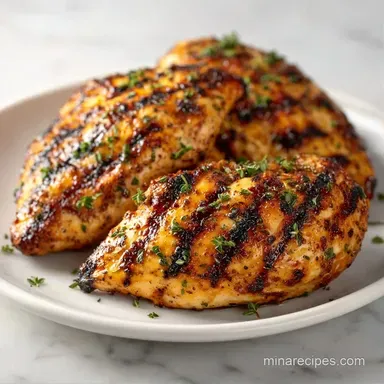
Best Gas Grilled Chicken: Tender and Charred

- Time: 10 min active + 30 min chilling
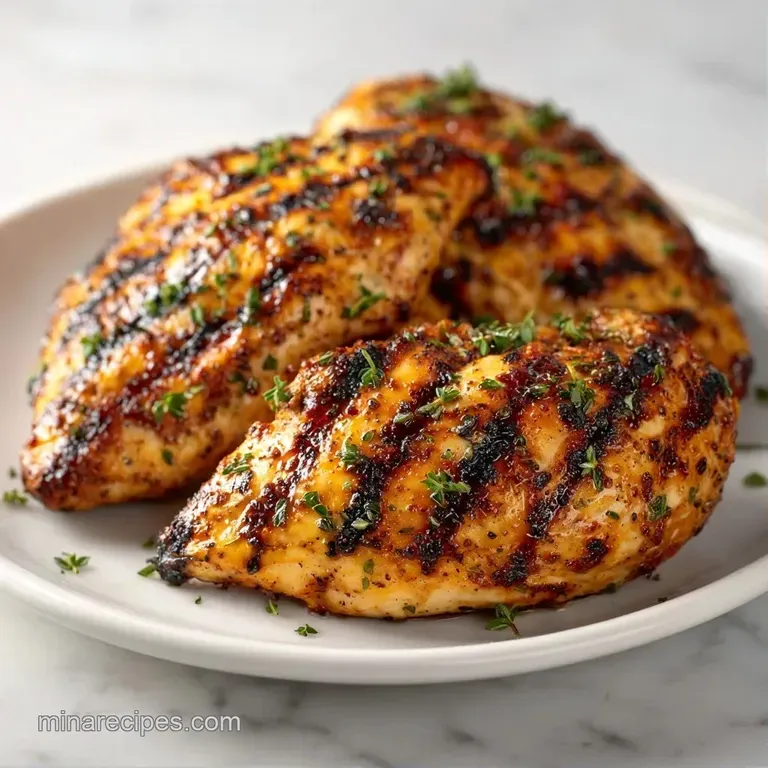
- Flavor/Texture Hook: Mahogany charred crust with a velvety interior
- Perfect for: Family weeknight dinners or healthy meal prep
The smell of charred lemon and toasted garlic hitting a hot grill is something else. It's that specific aroma that tells you summer is actually here. But for a long time, my grilled chicken was a disaster.
I'd end up with pieces that were burnt to a crisp on the outside while the thickest part of the breast was still practically raw.
Then I tried the other way, cooking everything on low, and ended up with gray, rubbery meat that tasted like a wet sponge. It's a frustrating cycle. You want those deep, dark grill marks, but you don't want to sacrifice the moisture.
The secret is treating the gas grill like an oven and a sear station at the same time. This approach to the Best Gas Grilled Chicken fixes the "hockey puck" problem by controlling the heat zones and the meat's shape. You'll get a juicy result every single time.
Secrets to Best Gas Grilled Chicken
The biggest hurdle with chicken breast is the irregular shape. One end is fat, the other is thin. If you throw it on the grill as is, the thin part overcooks before the thick part is safe to eat. Pounding the meat to a uniform 3/4 inch is the only way to ensure everything finishes at the same moment.
Then there is the heat management. Most people just turn all the burners to high and hope for the best. That's a recipe for flare ups and burnt edges. By creating a "safe zone" on the grill, you can sear the meat for flavor and then move it away from the direct flame to finish cooking through.
This method relies on thermodynamics. We use high heat to create a crust and then lower, indirect heat to gently bring the internal temperature up. It's the difference between forcing the meat to cook and letting it reach the finish line naturally.
Protein Tightening: High heat causes muscle fibers to contract quickly, squeezing out moisture. By moving to indirect heat, we slow this process down.
Acid Tenderizing: The lemon juice in the marinade breaks down tough connective tissues. According to USDA FoodData, maintaining a proper pH balance helps the meat retain water during the cook.
Fat Barrier: The olive oil doesn't just add flavor, it creates a conductive layer. This helps the heat transfer evenly from the metal grates to the meat.
Carryover Cooking: Meat continues to rise in temperature after it leaves the grill. Pulling at 160°F allows it to coast to a safe 165°F without overshooting.
| Method | Time | Texture | Best For |
|---|---|---|---|
| Full Direct Heat | 12-15 mins | Charred but often dry | Thin cutlets |
| Two Zone Method | 20 mins | Juicy with deep sear | Thick breasts |
| Low and Slow | 30+ mins | Soft, no crust | Whole birds |
Ingredient Breakdown
The marinade isn't just for taste, it's a tool for texture. We use a mix of fats and acids to protect the protein.
| Ingredient | Science Role | Pro Secret |
|---|---|---|
| Lemon Juice | Protein softener | Use fresh; bottled is too metallic |
| Olive Oil | Heat conductor | Prevents sticking and adds richness |
| Smoked Paprika | Color agent | Gives that "charcoal" look on gas |
| Garlic | Flavor depth | Mince finely so it doesn't burn |
Essential Grill Gear
You don't need a professional kitchen, but a few tools make this way easier. A heavy meat mallet is the most important piece of gear here. If you don't have one, a rolling pin or even a heavy skillet works.
You'll also need a digital instant read thermometer. Guessing the doneness of chicken is how you end up with dry meat. A pair of long handled tongs is a must to avoid the heat, and a Ziploc bag is the easiest way to ensure every inch of the meat is coated in the marinade.
Step by step Method
- Pound chicken breasts between plastic wrap with a mallet until they are a uniform 3/4 inch thickness. Note: This prevents the thin ends from drying out.
- Whisk olive oil, lemon juice, minced garlic, oregano, salt, pepper, and smoked paprika in a bag.
- Add pounded chicken to the bag and massage the marinade into the meat. Refrigerate for 30 minutes to 2 hours.
- Preheat your gas grill on high. Set one side to medium high (about 400°F/200°C) and leave the other side low or off.
- Use tongs and a folded paper towel with neutral oil to brush the grates until they are slick.
- Place chicken on the direct heat side for 5-6 minutes per side until mahogany grill marks appear.
- Move the chicken to the indirect heat side and close the lid for 5-8 minutes.
- Remove chicken when the internal temperature hits 160°F (71°C).
- Let the meat rest on a plate for 5 minutes until it reaches a final 165°F (74°C).
Fixing Common Grill Issues
When you're aiming for the Best Gas Grilled Chicken, a few things can go wrong. Usually, it's a matter of temperature or timing.
Meat Sticking to Grates
This happens when the meat is placed on the grill before the grates are hot enough or if the chicken is too wet. The proteins bond to the metal. Let the grill preheat fully and make sure you've oiled the grates right before the meat goes on.
Outside Burnt Inside Raw
This is the classic gas grill fail. It happens when the direct heat is too aggressive or the chicken is too thick. This is why we use the two zone method and pound the meat. If it's browning too fast, move it to the cool side immediately.
Rubbery Texture
Rubbery chicken comes from overcooking or cooking at too low a temperature for too long. It's the result of the muscle fibers tightening and pushing out all the juice. Always use a thermometer and pull the meat at 160°F.
| Problem | Root Cause | Solution |
|---|---|---|
| Flare ups | Oil dripping on burners | Move meat to the indirect zone |
| Pale Meat | Grill not hot enough | Preheat on high for 10-15 mins |
| Dry Breast | Overcooked past 165°F | Pull meat 5 degrees early |
Common Mistakes Checklist
- ✓ Pounding the meat to an even thickness
- ✓ Preheating the grill for at least 10 mins
- ✓ Oiling the grates immediately before cooking
- ✓ Pulling meat at 160°F for carryover
- ✓ Resting the meat before slicing
Different Flavor Ideas
If you want to change the vibe, you can swap the marinade. For a spicy version, add a teaspoon of cayenne or chipotle powder. If you prefer something sweeter, a tablespoon of honey works well, but be careful. Sugar burns quickly on a gas grill, so if you use honey, spend less time on the direct heat side.
For those who prefer different cuts, this method is also the Best Gas Grilled Chicken Breast approach, but it works for others too. If you are using Best Gas Grilled Chicken Thighs, you can leave them unpounded since they are more forgiving.
Thighs can handle a higher temperature and more time on the direct heat because they have more fat.
If you're making Gas Grilled Chicken Wings, I recommend a slower indirect cook first, then a quick sear at the end to get the skin to shatter. Since wings are smaller, they don't need the 5-8 minute indirect phase, but they do benefit from a similar two zone setup.
If you need a different protein style, you might enjoy my Garlic Butter Chicken for a stovetop version.
| Original Ingredient | Substitute | Why It Works |
|---|---|---|
| Lemon Juice (3 tbsp) | Lime Juice (3 tbsp) | Similar acidity. Note: Gives a zestier, Mexican style profile |
| Dried Oregano (1 tsp) | Dried Basil (1 tsp) | Similar herbal notes. Note: Sweeter, more Italian flavor |
| Olive Oil (1/4 cup) | Avocado Oil (1/4 cup) | Higher smoke point. Note: More neutral taste |
If you're cooking for a crowd, don't overcrowd the grill. If the chicken pieces are touching, they'll steam instead of sear. Work in batches if you have to. For larger portions, I usually double the marinade but only increase the salt and spices by about 1.5x to avoid over seasoning.
Storage and Waste Tips
Leftover Best Gas Grilled Chicken is a lifesaver for lunches. Store it in an airtight container in the fridge for up to 4 days. To reheat without drying it out, avoid the microwave. Instead, put the sliced chicken in a pan with a splash of water or chicken broth over medium heat.
Cover it with a lid for 2-3 minutes. This steams the meat back to life.
You can freeze cooked chicken for up to 3 months. Wrap it tightly in foil and then put it in a freezer bag to prevent freezer burn. Thaw it in the fridge overnight before reheating.
For zero waste, don't throw away the marinade bowl if you didn't use the bag method. While you can't use the raw marinade as a sauce, you can simmer it in a small saucepan for 5 minutes until it thickens into a glaze.
Also, if you have leftover lemon wedges from the prep, toss them into your compost or use them to flavor a glass of water.
Winning Side Pairings
Since the chicken has a bright, lemony profile, you want sides that either complement the acidity or provide a creamy contrast. I love pairing this with Garlic Parmesan Green Beans recipe because the savory cheese cuts through the lemon.
If you want something heartier, Easy Roasted Sweet Potatoes add a natural sweetness that balances the smoked paprika in the rub. A simple quinoa salad with cucumber and feta also works brilliantly.
A few more ideas:
- Grilled asparagus with a squeeze of lime
- A cold watermelon and feta salad
- Corn on the cob with chili lime butter
Right then, you've got the blueprint for the Best Gas Grilled Chicken. Just remember: pound the meat, manage your zones, and trust your thermometer. Let's crack on and get those grills fired up!
Recipe FAQs
How do I cook chicken breasts on a gas grill for the best results?
Create two heat zones on your grill. Sear the chicken on the medium high side (400°F) for 5 6 minutes per side, then move it to the indirect heat side and close the lid for 5 8 minutes.
Can diabetics eat this grilled chicken?
Yes, this is a diabetes friendly meal. The recipe relies on lean protein and healthy fats without any added sugars or honey.
Should I keep the grill lid open or closed when cooking chicken?
Close the lid during the indirect heat phase. This turns the grill into an oven, ensuring the center of the breast cooks through without burning the outside.
How do I keep grilled chicken breasts from drying out?
Pound the meat to a uniform 3/4 inch thickness. This prevents the thin ends from overcooking while the center finishes. If you enjoyed mastering this technique here, see how the same principle works in our seasoned chicken breast.
How long should I marinate the chicken?
Refrigerate for 30 minutes to 2 hours. Marinating for too long can cause the lemon juice to change the meat's texture, making it mushy.
What is the best internal temperature for grilled chicken?
Remove the meat from the heat at 160°F (71°C). Allow it to rest so that carryover cooking brings the final internal temperature to a safe 165°F (74°C).
What can I do with leftover grilled chicken breasts?
Slice them for salads, wraps, or tacos. Reheat the slices in a pan with a splash of water and a lid for 2 3 minutes to steam the meat back to life.
Best Gas Grilled Chicken for 6 Servings