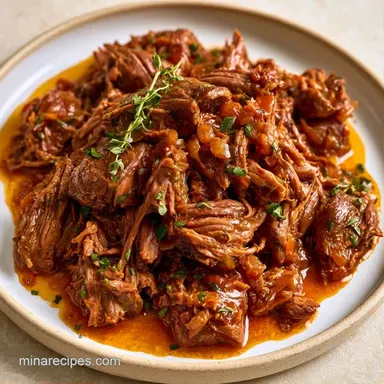
Fall-Off-The-Bone Slow Cooked Deer Shoulder
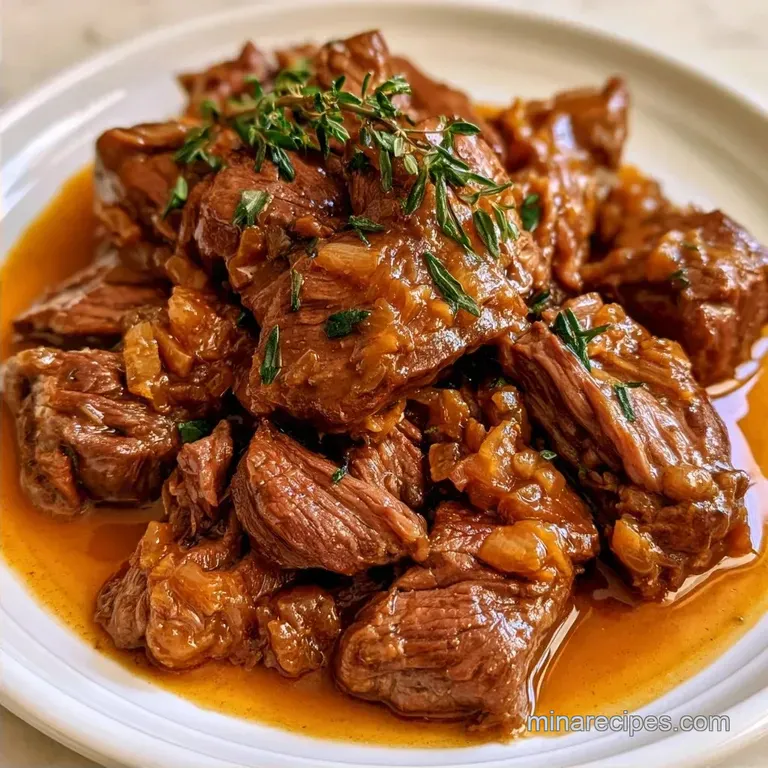
- Time: 20 min active + 8 hours cooking
- Flavor/Texture Hook: Mahogany crust with fork tender, shredded meat
- Perfect for: Cozy winter dinners or batch cooking for the family
Slow Cooked Deer Shoulder
That first sizzle when the meat hits the hot cast iron is everything. You can smell the paprika and garlic hitting the oil, and the kitchen immediately fills with this deep, savory aroma. It's that specific moment where you know the dinner is going to be a hit before the slow cooker even starts its work.
I used to follow the "old school" advice of brining game meat for days, thinking it was the only way to remove that "wild" taste. Once, I spent 48 hours soaking a roast only to find it tasted like a salt lick and had the texture of an eraser. I realized the problem wasn't the meat, it was the method.
This Slow Cooked Deer Shoulder approach skips the salt bath entirely. Instead, it focuses on a heavy sear and a long, gentle braise. You get a rich, mahogany color and meat that pulls apart with zero effort, making it a real comfort dish for anyone who loves wild game.
Why the Low Heat Works
Connective Tissue: Deer shoulder has plenty of collagen that only breaks down over several hours at low temperatures. This process turns a tough muscle into something tender and juicy.
Acidic Balance: The splash of apple cider vinegar helps break down the protein fibers. This prevents the lean venison from feeling "stringy" on the plate.
| Cook Method | Total Time | Texture | Best For |
|---|---|---|---|
| Slow Cooker | 8 hours 30 mins | Fall apart shredded | Hands off meal prep |
| Oven Roast | 4 hours | Sliced/Tender | Formal dinner presentation |
| Stovetop Pot | 3 hours | Braised chunks | Faster turnaround |
The main difference is how the moisture behaves. In a slow cooker, the steam stays trapped, which is why the meat stays moist even though venison has almost no fat.
The Flavor Foundations
For the rub, the smoked paprika is the star. It adds a woodsy depth that mimics a campfire, which fits the wild nature of the deer. The cayenne gives a tiny kick, but it's not meant to be spicy, it just wakes up the other flavors.
The beef bone broth is a non negotiable. Since deer is so lean, you need that added gelatin from the bone broth to create a mouthfeel that isn't dry. Trust me, using plain water here is a mistake.
The apple cider vinegar is the silent worker. It doesn't make the dish taste sour, but it cuts through the richness of the beef broth and helps the meat tenderize. It's a small addition that makes a big difference in the final bite.
Tools You'll Need
You'll need a heavy cast iron skillet for the sear. A non stick pan just doesn't get hot enough to create that dark crust we're after. If you don't have cast iron, a stainless steel pan works too.
A 6 quart slow cooker is the standard here. You want enough room so the meat isn't crammed against the sides, which allows the heat to circulate evenly.
For the finish, have two large forks ready. This meat is meant to be shredded, and trying to slice a slow cooked shoulder is just asking for it to crumble into a mess on the board.
The step-by-step Process
Let's dive in. Ensure your meat rests at room temperature for about 30 minutes before starting to ensure it sears evenly.
- Use paper towels to thoroughly dry the deer shoulder. Note: Moisture can cause the meat to steam rather than brown.
- In a small bowl, combine the coarse kosher salt, cracked black pepper, smoked paprika, garlic powder, onion powder, and cayenne pepper.
- Apply the rub generously to the entire roast, pressing the seasonings into the meat with your palms.
- Heat 2 tbsp of avocado oil in a cast iron skillet over high heat until it begins to shimmer.
- Sear the roast for 3-5 minutes per side until a dark, mahogany colored crust forms. Set it aside on a plate.
- Combine the beef bone broth, Worcestershire sauce, apple cider vinegar, smashed garlic, and rosemary in the slow cooker.
- Add the seared shoulder to the pot, ensuring the liquid reaches about 1/3 of the way up the meat.
- Cover and cook on Low for 8 hours until the meat is tender enough to be easily poked with a fork. Avoid opening the lid.
- Transfer the roast to a cutting board and let it rest for 15 minutes. Note: This ensures the juices stay inside the meat.
- Using two forks, pull the meat from the bone and shred it into chunky pieces.
- Stir the shredded meat with 1 cup of the cooking liquid left in the pot.
Fixing Common Meat Issues
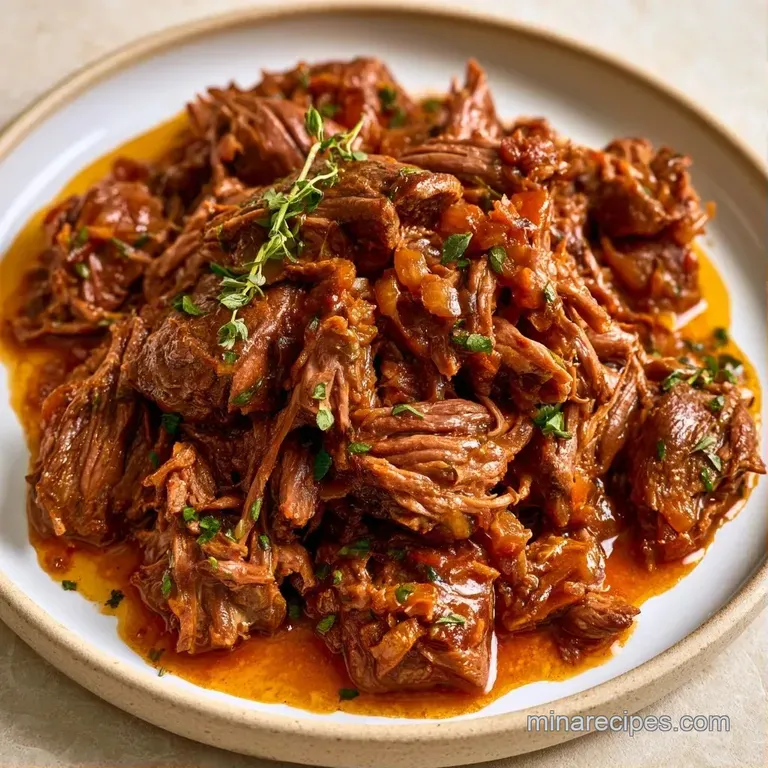
When you're dealing with a Slow Cooked Deer Shoulder, things usually go well, but game meat can be unpredictable.
Meat Stays Tough
If the meat isn't shredding after 8 hours, it's usually because the slow cooker isn't hitting the right temp or the cut was particularly lean. Don't panic. Add another ½ cup of beef broth and keep it on low for another 2 hours.
USDA guidance suggests an internal temperature of 165°F for safety, but for shredding, you're looking for closer to 200°F.
Sauce Is Too Thin
Sometimes the liquid stays watery instead of becoming a glaze. If this happens, strain the liquid into a saucepan and simmer it on high for 10 minutes. It will reduce and thicken up, then you can pour it back over the meat.
Color Is Too Pale
If your roast looks grey, you probably didn't get the skillet hot enough or you crowded the pan. While it'll still taste good, you miss out on that deep flavor. Next time, ensure the oil is almost smoking before the meat hits the pan.
Twists and Ingredient Swaps
You can easily adjust the flavor profile of this Slow Cooked Deer Shoulder to suit your taste. For a "French Country" inspiration, replace the smoked paprika with herbes de Provence and use a splash of red wine rather than apple cider vinegar.
A BBQ version is another great option. Swap the beef broth and vinegar for a combination of apple juice and your favorite smoky BBQ sauce. Be mindful of the salt, as store-bought BBQ sauces tend to be quite salty.
This Slow Cooked Deer Shoulder serves as a versatile starting point for your harvest. For those who prefer a meal with more vegetables, this venison stew recipe utilizes similar low and slow cooking techniques.
| Original Ingredient | Substitute | Why It Works |
|---|---|---|
| Beef Bone Broth | Chicken Broth | Similar liquid base. Note: Lighter flavor, less richness |
| Avocado Oil | Grapeseed Oil | High smoke point. Note: Neutral taste, won't burn |
| Apple Cider Vinegar | Red Wine Vinegar | Similar acidity. Note: Slightly sharper punch |
| Fresh Rosemary | Dried Thyme | Earthy notes. Note: Use 1 tsp dried instead of 2 sprigs |
For those following strict dietary guidelines, this dish is naturally Paleo and Keto friendly. Just verify that your chosen Worcestershire sauce has no added sugar.
Adjusting the Portion Size
Scaling a Slow Cooked Deer Shoulder is pretty straightforward, but you can't just double everything blindly.
Cutting the recipe in half: Use a smaller 3 quart slow cooker if you have one. I'd suggest reducing the cooking time by about 20%, so check it at the 6 hour mark. Use a smaller skillet for searing so you don't waste oil.
Doubling the batch: If you're feeding a crowd, work in batches for the sear. If you put two roasts in one pan, they'll steam instead of brown. For the slow cooker, don't double the salt or cayenne, go for 1.5x instead. Spices can become overwhelming in large volumes.
Reduce the total liquid by about 10% since two pieces of meat will release more natural juices.
Storage and Reheating Tips
Place any remaining Slow Cooked Deer Shoulder in a glass container and keep it chilled for 4 days. Ensure the meat stays immersed in the sauce to prevent it from drying out.
To freeze, transfer the meat and sauce to a heavy-duty freezer bag and press out any excess air. This keeps well for about 3 months. When you are ready to serve, thaw it in the refrigerator overnight instead of microwaving it while frozen.
Sustainability Tip: Save the bone! After shredding the meat, simmer the bone in a pot of water with an onion and a carrot for a few hours. This yields a rich venison stock, which is excellent for future gravies or soups.
I suggest using a skillet for reheating instead of a microwave. Warm the meat in a pan with a splash of broth over medium heat. Cover the pan for a few minutes to let the steam moisten the meat, then uncover it and let it sizzle briefly to regain those crisp edges.
Serving Suggestions
This Slow Cooked Deer Shoulder is a heavy hitter, so you want sides that cut through the richness. I love serving it over a bed of creamy mashed potatoes or buttered polenta. The sauce from the pot is basically a built in gravy, so don't let a drop go to waste.
For a bit of crunch and acidity, a side of pickled red onions or a crisp apple slaw works brilliantly. The sweetness of the apple pairs naturally with the gamey flavor of the deer.
If you want to turn this into a sandwich, pile the shredded meat onto a toasted brioche bun with a slice of provolone cheese and some horseradish aioli. It pairs perfectly with a side of homemade garlic bread for a full on comfort feast.
Honestly, the best way to enjoy it is just in a big bowl, topped with a bit of fresh parsley for color. It's a joyful, hearty meal that brings everyone to the table.
Whether you're new to wild game or a seasoned hunter, the Slow Cooked Deer Shoulder is a reliable way to get the most out of your meat. It takes the stress out of the kitchen and lets the slow cooker do the hard work. Just remember: sear it hard, keep the lid closed, and let it rest. You've got this!
Critical Sodium Levels
1280 mg 1,280 mg of sodium per serving (56% 56% of daily value)
The American Heart Association recommends a daily sodium limit of 2,300 mg, with an ideal limit of 1,500 mg for most adults to reduce the risk of cardiovascular disease.
Tips to Reduce Sodium
-
Swap the Broth-30%
Replace the beef bone broth with a low-sodium or no-salt-added version to significantly cut hidden salts.
-
Cut the Salt Rub-25%
Reduce the coarse kosher salt by half or substitute it with a salt-free seasoning blend.
-
Limit Worcestershire-20%
Reduce the Worcestershire sauce to 1 tablespoon or search for a low-sodium alternative.
-
Enhance Natural Aromatics
Double the amount of fresh rosemary and smashed garlic to provide bold flavor without increasing sodium.
Recipe FAQs
How long should I slow cook deer shoulder?
Cook on Low for 8 hours without opening the lid. This duration ensures the connective tissue breaks down completely for a shreddable texture.
What is the best way to prepare a deer shoulder?
Sear the roast in avocado oil over high heat until a mahogany crust forms. Then, braise it in the slow cooker with beef bone broth and apple cider vinegar.
Which dishes work best for deer shoulder meat?
Use this cut for shredded sandwiches, hearty stews, or pot roasts. Its structure is ideal for long, moist cooking processes that yield tender chunks.
Is it true that venison always gets more tender the longer it cooks?
No, this is a common misconception. While slow cooking is necessary for the shoulder, overcooking lean game meat can eventually make it dry and mealy.
Can I apply these techniques to other venison cuts?
Opt for slow cooking for tougher shoulder cuts, but use quick, high heat for the loin. After perfecting the sear, try applying a similar method to our grilled venison backstrap.
Slow Cooked Deer Shoulder: Tender Roast