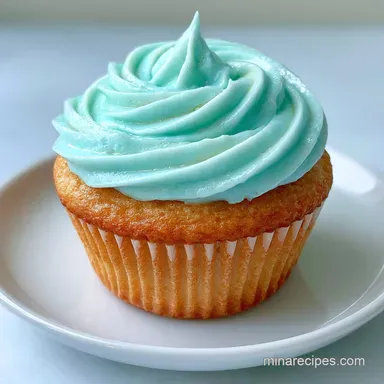
Robin Egg Easter Cupcakes: Silky and Fluffy
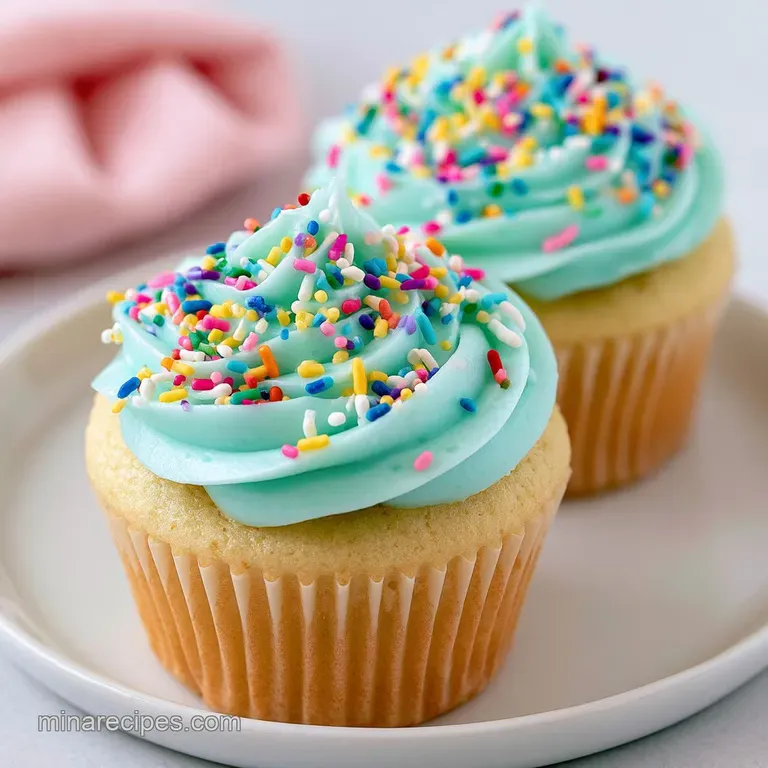
- Time: 30 min active + 20 min bake + 1 hour chilling = Total 1 hours 50 mins
- Flavor/Texture Hook: Silky buttercream with a light, fluffy vanilla crumb
- Perfect for: Family brunch or a colorful spring party
- Easy Robin Egg Easter Cupcakes
- Success Secrets for Spring Cakes
- Key Ingredient Details
- Essential Kitchen Tools
- Step by Step Guide
- Fixing Common Mistakes
- Troubleshooting Common Issues
- Simple Ingredient Swaps
- The Truth About Baking
- Storing Your Treats
- Serving and Garnish Tips
- Recipe FAQs
- 📝 Recipe Card
The smell of warm vanilla and bubbling butter always reminds me of my first attempt at these. I remember the absolute panic when I added the blue gel coloring, and instead of a soft, springy blue, my frosting looked like something out of a glow in-the dark movie.
It was an electric, artificial neon that screamed "chemistry project" rather than "spring morning." Then there was the issue of the "blob factor," where my frosting just slid right off the cakes because I was too impatient to let them cool.
But that's where the real lessons happened. I found out that a single, tiny drop of violet food coloring acts like a mute button for that loud blue, pulling it back into a soft, realistic robin egg shade.
I also learned the hard way that a cupcake must be completely cold, not just "warmish," before the frosting touches it. Once I stopped rushing, these robin egg easter cupcakes became the one thing people actually ask for every year.
You can expect a cake that's uncomplicated and comforting, with a frosting that holds its shape without being stiff as a rock. We're focusing on a rustic look here, so don't stress if your piping isn't a perfect sphere.
The cocoa dusting actually hides a lot of mistakes, making these robin egg easter cupcakes look intentional and charming even if you're not a pro.
Easy Robin Egg Easter Cupcakes
Let's be honest, most spring recipes focus too much on the look and not enough on the taste. I've seen cakes that look like museum pieces but taste like cardboard. This version is different because it prioritizes a moist, velvety crumb that doesn't need a gallon of milk to wash it down.
The magic is in the balance of the vanilla base and the slightly salted buttercream.
When you're making these robin egg easter cupcakes, the goal is to create a visual experience that feels organic. We aren't going for a plastic look. By using a sifter for the cocoa powder, we get those tiny, irregular speckles that make the frosting look like a real eggshell.
It's a simple trick, but it's what takes the dish from "kids' party" to "actually impressive."
I love how these fit into a larger spread. If you're doing a full brunch, these are the perfect sweet finish. They aren't overly heavy, but they feel special. Just make sure you have your candy eggs ready to go, because the moment you finish piping that blue frosting, you'll be tempted to eat the whole batch before the decorations even hit the top.
Success Secrets for Spring Cakes
Instead of guessing, here is why this specific method works for these robin egg easter cupcakes.
- The Violet Shift
- Adding a speck of violet dye neutralizes the "electric" tone of sky blue, shifting the color toward a natural, muted eggshell blue.
- The Butter Temperature
- Using softened butter ensures that air is trapped during the creaming process, which is what makes the cake feel light rather than dense.
- The Sifting Secret
- Dusting cocoa through a fine mesh sieve creates irregular particles, mimicking the natural speckles found on wild bird eggs.
- The Cooling Gap
- Letting cakes reach room temperature prevents the butter in the frosting from melting, which stops the "sliding frosting" disaster.
- The Creaming Phase
- Beating the buttercream butter for a full 3 minutes before adding sugar creates a pale, airy base that carries color more evenly.
| Method | Time | Texture | Best For |
|---|---|---|---|
| Fast (Mix) | 30 mins | Spongy/Uniform | Last minute guests |
| Classic (Scratch) | 1 hours 50 mins | Velvety/Rich | Holiday traditions |
| Small Batch | 1 hour | Dense/Moist | Just 2-4 people |
Key Ingredient Details
Understanding what each part does helps you avoid mistakes. For instance, using the right flour is key. I usually stick to King Arthur Flour because their protein levels are consistent, which keeps the crumb from getting too tough.
| Ingredient | Science Role | Pro Secret |
|---|---|---|
| All Purpose Flour | Structure | Measure by weight (190g) for a consistent rise |
| Powdered Sugar | Stability | Sift it first to avoid "sugar lumps" in the blue frosting |
| Gel Coloring | Pigment | Use gel, not liquid, to keep the frosting thick |
| Cocoa Powder | Contrast | Use unsweetened cocoa for a sharp, dark speckle |
Essential Kitchen Tools
You don't need a professional bakery, but a few specific tools make this way easier. I use a standard stand mixer such as a KitchenAid, but a hand mixer works just fine as long as you're patient with the buttercream.
- Muffin tin (12 or 24 slot)
- Cupcake liners (paper or silicone)
- Hand mixer or stand mixer
- Fine mesh sifter (crucial for the cocoa)
- Piping bag with a large round tip
- Wire cooling rack
- Measuring cups and spoons (or a digital scale)
Step by step Guide
Let's crack on with the actual baking. Take your time with the cooling phase, trust me.
For the Vanilla Cupcakes
- Preheat your oven to 350°F (175°C) and line a muffin tin with cupcake liners. Note: Doing this first prevents the batter from sitting too long.
- Cream the softened butter and granulated sugar together until pale and fluffy. Continue for about 3-5 minutes until it looks like whipped cream.
- Beat in the egg and vanilla extract. Note: Ensure the egg is room temperature so the batter doesn't curdle.
- Gradually add the flour, baking powder, and salt, alternating with the milk, until combined. Stop mixing as soon as the flour streaks disappear to avoid a tough cake.
- Fill liners 2/3 full and bake for 18-20 minutes until a toothpick comes out clean and the tops spring back when touched.
- Let cupcakes cool completely on a wire rack. Note: This is the most important step for frosting stability.
For the Robin Egg Frosting
- Beat the softened butter for 3 minutes until very pale. It should look almost white before you add the sugar.
- Gradually add powdered sugar one cup at a time on low speed, then stir in heavy cream and vanilla.
- Add sky blue gel coloring drop by drop, adding a tiny speck of violet to mute the brightness. Beat on high for 2 minutes until stiff peaks form and the color is uniform.
For the Decoration
- Pipe a generous mound of frosting onto each cooled cupcake in a domed shape. Note: Start from the outside and spiral inward for a nice curve.
- Use a sifter to lightly dust cocoa powder over the blue frosting for a speckled effect. Shake the sifter gently for a more natural look.
- Gently place one mini chocolate candy egg on top of each cupcake.
Fixing Common Mistakes
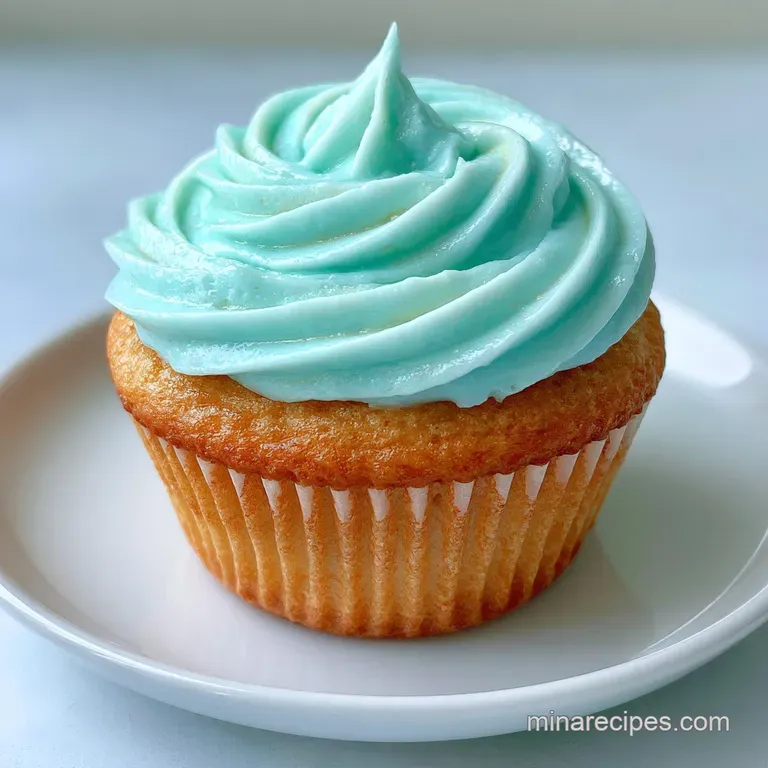
Even the best of us have those moments where the kitchen feels like a war zone. If your robin egg easter cupcakes aren't looking right, it's usually one of a few things.
Troubleshooting Common Issues
| Issue | Solution |
|---|---|
| Why Your Frosting is Melting | If the frosting is sliding or looks like a puddle, the cupcakes were likely still warm in the center. Even if the top feels cool, the core can hold heat. Always wait at least 2 hours for the cakes to |
| Why Your Blue is Too Bright | Neon blue happens when you use liquid coloring or too much sky blue without a "balancing" color. The violet drop is your secret weapon here. If it's already too bright, add a tiny pinch of cocoa powde |
| Why Your Cupcakes Sank | Sinking usually happens because the oven door was opened too early or the baking powder is old. Avoid peeking for the first 15 minutes. |
Common Mistakes Checklist
- ✓ Check that butter is "pliable" but not melting before creaming.
- ✓ Measure flour by spooning it into the cup, not scooping.
- ✓ Use gel colors instead of liquid to avoid thinning the frosting.
- ✓ Sift the cocoa powder; never just sprinkle it by hand.
- ✓ Ensure candy eggs are at room temperature so they don't sweat.
Simple Ingredient Swaps
Depending on what's in your pantry, you can tweak this. If you're craving something even richer, you might try my Moist Chocolate Cupcakes as a base, though the vanilla is the classic choice for these robin egg easter cupcakes.
| Original Ingredient | Substitute | Why It Works |
|---|---|---|
| Whole Milk (0.5 cup) | Sour Cream (0.5 cup) | Adds tang and more moisture. Note: Results in a denser crumb |
| All Purpose Flour | Cake Flour | Finer texture. Note: Makes a softer, more fragile cake |
| Unsalted Butter | Margarine | Similar fat content. Note: Alters the buttery flavor profile |
| Powdered Sugar | Maple Powder | Natural sweetness. Note: Changes the color of the frosting |
If you're making these for a crowd, you'll need to scale. For a double batch, I recommend lowering the oven temp by 25°F and extending the bake time by 3-5 minutes. This ensures the centers cook through without the edges burning.
If you're cutting the recipe in half, beat one egg in a small bowl first and only use half of it.
The Truth About Baking
There are a few things people tell you about cupcakes that just aren't true.
Myth: You must use a professional piping tip for the "egg" look. Truth: You can actually use a Ziploc bag with the corner cut off. As long as you pipe in a spiral, the cocoa dusting will make it look like an egg regardless of the tip.
Myth: Room temperature ingredients are optional. Truth: They are absolutely not. Cold eggs can cause the butter to seize, leaving you with a lumpy batter. When the fats are at the same temperature, they bond better, which is what creates that velvety texture. According to Serious Eats, the creaming method relies on these temperature balances to incorporate air.
Storing Your Treats
These robin egg easter cupcakes are best eaten within 2-3 days. Because of the buttercream, they stay moist, but the flavor is peakest right after the frosting sets.
Fridge Storage: Store them in an airtight container in the fridge for up to 5 days. However, the butter in the frosting will harden, so let them sit at room temperature for 30 minutes before eating.
Freezing: You can freeze the un frosted cupcakes for up to 3 months. Wrap them individually in plastic wrap and then place them in a freezer bag. Thaw at room temperature and then frost them fresh. I don't recommend freezing the frosted versions as the cocoa dusting can bleed into the frosting.
Zero Waste: If you have leftover green dyed coconut, don't toss it! Sprinkle it over a bowl of yogurt or oatmeal the next morning for a little bit of that spring vibe. Any leftover buttercream can be used as a dip for sliced apples.
Serving and Garnish Tips
To make these look like they came from a boutique bakery, we focus on a "color balance" strategy. We have three main accents: the sky blue, the cocoa brown, and the coconut green.
First, the blue provides the base. It should be the dominant color but muted enough to look organic. Second, the cocoa powder adds the "earthy" element. I like to add a tiny bit of green coconut around the base of the frosting, making it look like the egg is sitting in a nest.
These are a fantastic accompaniment to a celebratory brunch. I often serve these alongside something savory, like an Avocado Toast Egg platter, to balance the sweetness.
Decision Shortcut:
- If you want a more "nest" look, do a heavy ring of green coconut around the bottom of the frosting.
- If you want a cleaner look, skip the coconut and just focus on the cocoa speckles.
- If you're serving kids, use larger candy eggs to make the cupcakes feel like a bigger treat.
Right then, that's everything you need to get these in the oven. Just remember to be patient with the cooling and don't go overboard with the blue dye. Trust the process, enjoy the smell of the vanilla, and don't worry if the speckles aren't perfectly symmetrical.
The best parts of these robin egg easter cupcakes are the ones that look homemade and honest. Happy baking!
Recipe FAQs
How to get the specific robin egg blue color?
Add sky blue gel coloring drop by drop and include a tiny speck of violet. This mutes the brightness to create a more natural, soft egg shade.
Is it true I can frost the cupcakes as soon as the tops feel cool?
No, this is a common misconception. The center of the cake often holds heat longer, which will cause the buttercream to melt and slide; wait at least 2 hours.
How to achieve the speckled effect on the frosting?
Use a sifter to lightly dust cocoa powder over the blue frosting. This creates the characteristic tiny spots found on real robin eggs.
Can I freeze these cupcakes?
Yes, but only if they are unfrosted. Wrap them individually in plastic wrap and store them in a freezer bag for up to 3 months.
Why is my blue frosting looking too neon or bright?
You likely used liquid coloring or too much sky blue without a balancing color. Stir in a tiny drop of violet or a pinch of cocoa powder to tone down the vibrancy.
How to store the finished cupcakes?
Place them in an airtight container in the fridge for up to 5 days. Let them sit at room temperature for 30 minutes before eating so the butter in the frosting softens.
What oven temperature is required for these cupcakes?
Bake at 350°F (175°C). Preheat the oven fully and bake for 18-20 minutes or until a toothpick comes out clean.
Robin Egg Easter Cupcakes