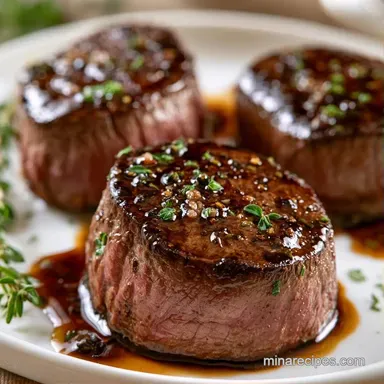
Marinated Venison Backstrap with Balsamic
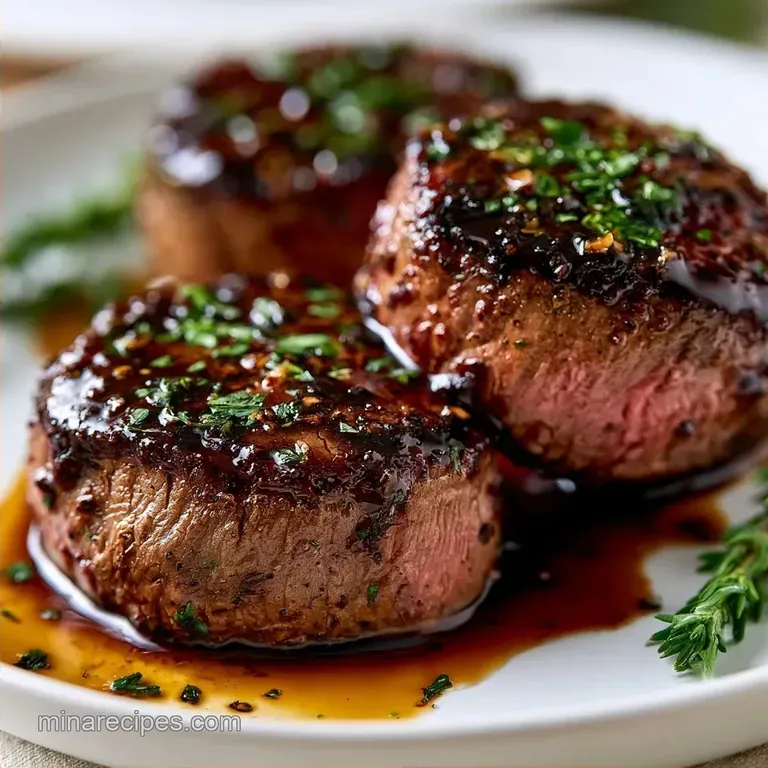
- Time: 15 min active + 8 hours chilling
- Flavor/Texture Hook: Mahogany crust with a tangy, sweet finish
- Perfect for: A fancy date night or a high protein Sunday dinner
Sizzling oil and the sharp tang of balsamic hitting a hot pan. That's the smell of a win. I remember the first time I tried cooking backstrap; I treated it like a steak, left it in too long, and ended up with something that had the texture of a hiking boot. It was a disaster, and I almost gave up on game meat entirely.
The trick is treating the lean muscle with a bit of respect. Venison doesn't have the marbled fat that keeps a ribeye juicy, so you have to introduce moisture and acidity. This Marinated Venison Backstrap method fixes that by using a soak that tenderizes the meat before it ever sees the fire.
You can expect a deep, dark crust on the outside and a tender, pink center. It's a high protein centerpiece that feels fancy but doesn't take a ton of effort once the meat is in the bag. Trust me, once you get the temperature right, you'll never go back to overcooking your wild game.
Logic Behind the Flavor
- Balsamic Acid: The vinegar gently loosens the protein bonds in the meat. This makes the Marinated Venison Backstrap easier to chew without making the surface mushy.
- Maple Sugars: These sugars caramelize fast. They turn the exterior a dark mahogany color in just a few minutes of searing.
- Woody Herbs: Rosemary and thyme cut through the iron like taste of the venison. It creates a balance that feels more like a bistro dish than a campfire meal.
If you're working with tougher cuts and have more time, you might prefer a slow cooker venison roast to break down the connective tissue over several hours.
| Method | Marinate Time | Texture | Best For |
|---|---|---|---|
| Fast Sear | 0 hours | Firm/Lean | Quick weeknight meals |
| Classic | 8-24 hours | Tender/Juicy | Dinner parties |
Quick Recipe Specs
This recipe is all about precision. Because the meat is so lean, a few degrees of overcooking can ruin the whole experience. I've found that bringing the meat closer to room temperature before it hits the pan prevents the outside from burning while the inside stays raw.
The total time includes the long soak. Don't try to rush the 8 hour window; the acidity needs that time to penetrate the dense muscle. It's a low effort, high reward process that makes the Marinated Venison Backstrap feel like a professional dish.
Shopping List Essentials
Get a sharp knife for this. The "silver skin" is that iridescent white membrane on the outside of the meat. If you leave it on, it shrinks during cooking and makes the meat curl and toughen. Spend an extra five minutes trimming it off, and your teeth will thank you.
| Component | Purpose | Substitute Notes |
|---|---|---|
| Venison Backstrap | Main protein | Beef tenderloin (richer, more fat) |
| Balsamic Vinegar | Tenderizing agent | Red wine vinegar (sharper, less sweet) |
| Maple Syrup | Crust caramelization | Honey (thicker, floral notes) |
| Olive Oil | Heat conduction | Grapeseed oil (higher smoke point) |
The Full List: 2 lbs venison backstrap, trimmed of silver skin 1/4 cup extra virgin olive oil 1/4 cup balsamic vinegar 3 cloves garlic, minced 1 tbsp maple syrup Why this? Adds a subtle sweetness that balances the gamey notes. 1 tsp dried rosemary, crushed 1 tsp dried
Thyme 1 tsp coarse sea salt 1/2 tsp cracked black pepper
Necessary Kitchen Gear
You want a heavy pan for this. A cast iron skillet is my go to because it holds heat steady. If you use a thin pan, the temperature drops the second the meat hits the surface, and you'll end up steaming the Marinated Venison Backstrap instead of searing it.
An instant read thermometer is non negotiable. Do not guess the doneness of venison. It goes from medium rare to overdone in about 60 seconds. I use a digital probe to make sure I pull the meat at exactly the right moment.
Cooking Process Steps
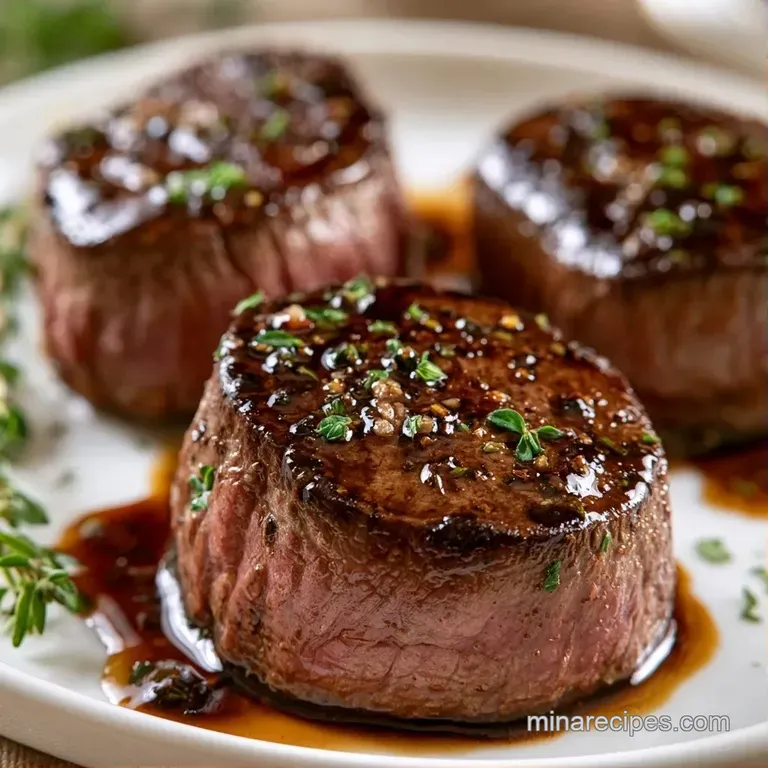
- Use a sharp carving knife to strip the silver skin from the venison backstrap. Note: To ensure a tender result, remove all of the white membrane.
- In a gallon sized Ziploc bag, whisk together the olive oil, balsamic vinegar, minced garlic, maple syrup, rosemary, thyme, salt, and pepper.
- Place the venison in the bag and massage the marinade into the meat. Note: Be sure the liquid covers every part of the surface.
- Seal the bag and keep it in the refrigerator for 8 to 24 hours.
- Take the venison out of the fridge 30 minutes before searing. Note: This stops the meat from seizing up in the pan.
- Warm a cast iron pan over medium high heat until the oil is glistening.
- Pat the venison dry using paper towels. Note: Excess moisture prevents searing and can cause the meat to boil.
- Brown the backstrap for 3–5 minutes per side until a deep mahogany crust forms.
- Use a thermometer to remove the meat from the heat at 130°F (54°C). Note: Carryover cooking will bring the final temperature to 135°F for medium rare.
- Place the meat on a warm plate and let it rest for 10 minutes before carving.
Fixes for Common Issues
Meat Feels Tough
This usually happens if the silver skin wasn't fully removed or if the internal temp climbed past 145°F. Venison lacks the fat to protect it from heat. To fix this in the future, always pull the Marinated Venison Backstrap five degrees before your target temperature.
Lacking Outer Crust
If your meat looks grey rather than brown, your pan wasn't hot enough or the meat was too wet. Make sure the oil is shimmering and nearly smoking before adding the meat. Patting the Marinated Venison Backstrap completely dry with paper towels is the most skipped but most important step.
Strong Gamey Flavor
Some deer have a stronger "wild" taste than others. If the flavor is too intense, increase the balsamic vinegar slightly or add a teaspoon of lemon zest to the marinade. This acidity neutralizes the metallic notes often found in wild game.
Best Side Pairings
I like to keep the sides simple so they don't compete with the rich, tangy flavor of the meat. A creamy polenta or a garlic mashed potato works well because they soak up the resting juices.
If you want something lighter, roasted root vegetables like carrots or parsnips add a nice earthy sweetness. A simple arugula salad with a lemon vinaigrette provides a sharp contrast to the richness of the Marinated Venison Backstrap.
Saving and Reusing
Keep any leftovers in an airtight tub and refrigerate for 3 days max. When reheating, avoid using the microwave. Slice the meat thinly and flash sear it in a pan with a bit of butter for 60 seconds; this prevents it from drying out and preserves that velvety interior.
For the freezer, wrap the raw, marinated meat tightly in plastic wrap and then foil. It remains good for about 3 months. Just thaw it in the refrigerator for 24 hours before cooking. If you have silver skin trimmings, don't toss them.
Place them in a pot with water and aromatics to make a quick, dark stock for a pan sauce.
Flavor Twists
- Spicy Kick: Add 1 tsp of red pepper flakes or a dash of sriracha to the marinade.
- Forest Floor: Swap the thyme for ground juniper berries to give it a more traditional European game flavor.
- Paleo/Keto Swap: Replace the maple syrup with a tiny bit of stevia or just omit it. You'll lose some of the dark crust, but the flavor remains solid.
If you enjoy these kinds of quick, over high heat meals, you might also like my honey garlic chicken for a different kind of sticky glaze.
Quick Adjustment Guide: Extra tang? → Add 1 tsp lemon juice to the marinade. Deeper color? → Increase maple syrup by 1 tsp. More herb punch? → Use fresh rosemary instead of dried.
Debunking Game Meat Myths
The idea that searing "locks in" the juices is actually a misconception. Liquid evaporates regardless of whether you sear the meat first or not. The process is really about building a flavorful, caramelized crust that makes the Marinated Venison Backstrap more appetizing.
It is also a mistake to think that a short marination period can truly tenderize the meat. While acidic ingredients help, they don't break down muscle tissue the way a slow braise does. Marinating is meant to infuse flavor and soften the outside, rather than turning a tough cut into a tenderloin.
You now have the knowledge to master this cut. Stay mindful of the thermometer and embrace the high heat. Marinated Venison Backstrap is an excellent way to serve wild game while avoiding dryness. Keep your pan hot, and remember to let the meat rest before serving.
Recipe FAQs
What is the best way to prepare fresh venison?
Trim away all the iridescent white silver skin using a sharp carving knife. This prevents the meat from toughening up during the searing process.
How do I cook venison back straps?
Sear the meat in a hot cast iron skillet for 3 to 5 minutes per side. Pull it off the heat once an internal thermometer reads 130°F for a perfect medium rare.
How long is too long to marinate deer?
Avoid marinating for more than 24 hours. The acid in the balsamic vinegar will eventually break down the muscle fibers too much, leaving the meat mushy.
Is it true that you should soak a deer backstrap in water before cooking?
Actually, no. Soaking can wash away natural flavor and doesn't remove the gamey taste as effectively as a targeted marinade.
Can you use the same recipes for elk and venison?
That's a myth. While similar, elk is generally leaner and has a milder flavor, meaning it requires different timing and acidity levels to avoid drying out.
Which flavors pair best with venison?
Combine acidity from balsamic vinegar with sweetness from maple syrup to balance the iron rich flavor. If you enjoyed balancing flavors here, see how we use a similar sweet acid profile in our honey marinade.
Marinated Venison Backstrap