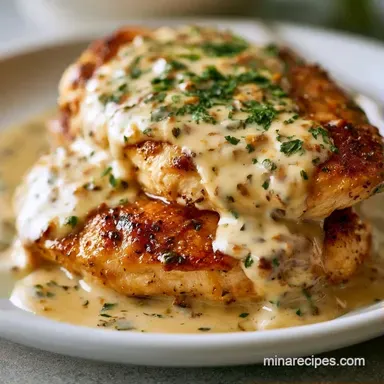
30-Minute Creamy Garlic Chicken Breast
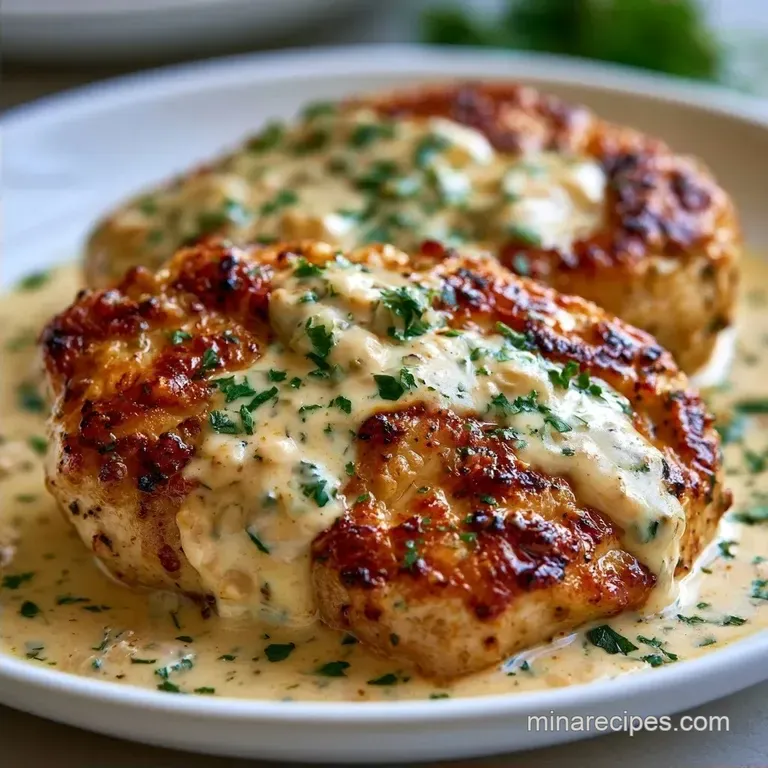
- Time: 10 min active + 20 min cook
- Flavor/Texture Hook: Golden brown crust with a silky, savory sauce
- Perfect for: Weeknight dinner or an impressive date night meal
- Nailing the Creamy Garlic Chicken Breast
- The Method Behind Results
- Ingredient Role Breakdown
- The Ingredient List
- Essential Kitchen Tools
- Step-by-Step Cooking Guide
- Fixing Common Issues
- Customizing Your Meal
- Scaling the Recipe
- Debunking Kitchen Myths
- Storage and Reheating
- The Best Side Pairings
- High in Sodium
- Recipe FAQs
- 📝 Recipe Card
That sad, rubbery bounce. You know the one, where the meat is so overcooked it feels like a tennis ball in your mouth. I used to do this every single time I tried a pan sauce dish because I was terrified of undercooking the center, so I just kept cooking until the edges were like cardboard.
The fix is actually in the prep, not the heat. By evening out the thickness, the meat cooks at the same rate, meaning no more dry edges while the middle is still raw. This Creamy Garlic Chicken Breast relies on that one simple adjustment to stay juicy.
You can expect a meal that feels fancy but takes about 30 minutes. The sauce is rich, the garlic is fragrant without being overpowering, and the chicken has a crust that actually holds onto the cream.
Nailing the Creamy Garlic Chicken Breast
Getting this right comes down to the sear. If the pan isn't hot enough, the chicken steams instead of browning, and you lose that deep flavor. I've learned that waiting for the butter to foam and just start to turn brown is the signal to drop the meat.
Once that crust forms, the chicken acts as a sponge for the garlic cream. The result is a meal where the meat and sauce feel like one unit rather than two separate things on a plate. It's a reliable way to turn basic breasts into something that feels like it came from a bistro.
The contrast here is everything. You have the saltiness of the Parmesan, the sharp bite of fresh garlic, and the richness of the heavy cream. When you balance these, the dish feels complete without needing a dozen different ingredients.
The Method Behind Results
The Pounding Trick: Making the meat 3/4 inch thick ensures every part hits the target temperature at the same time. This stops the thin ends from drying out.
The Flour Dusting: A thin coating creates a barrier that prevents the meat from over drying. It also gives the sauce something to cling to so it doesn't just slide off.
The Pan Fond: Those brown bits stuck to the pan after searing are concentrated flavor. Using chicken broth to scrape them up adds a depth to the sauce that cream alone can't provide.
| Fresh Garlic | Garlic Powder | Impact | Savings |
|---|---|---|---|
| Pungent, sharp | Mellow, earthy | Fresh adds depth; powder is for the crust | Low |
| Cooks fast | Stable heat | Fresh can burn; powder doesn't | Low |
This comparison shows why we use both. The powder in the flour gives the chicken a baseline flavor, while the fresh minced garlic in the pan provides that aromatic punch we all love.
Ingredient Role Breakdown
| Ingredient | What It Does | Best Swap |
|---|---|---|
| Heavy Cream | Provides thickness and richness | Full fat coconut milk (adds nuttiness) |
| Parmesan | Adds salt and a nutty tang | Pecorino Romano (saltier) |
| Chicken Broth | Deglazes the pan and thins the sauce | Dry white wine (more acidic) |
| All purpose Flour | Creates the golden crust | Almond flour (denser, gluten-free) |
Using the right fats is a big part of the process. The olive oil prevents the butter from burning too quickly, and the butter adds that classic flavor. Don't bother with low-fat substitutes here, as they won't emulsify correctly with the Parmesan, leaving you with a grainy sauce.
The Ingredient List
- 1.5 lb boneless skinless chicken breasts, sliced into 4 cutlets Why this? Cutlets cook faster and more evenly
- 1/2 cup all purpose flour
- 1 tsp salt
- 1/2 tsp black pepper
- 1 tsp garlic powder
- 2 tbsp olive oil
- 2 tbsp unsalted butter
- 4 cloves garlic, minced
- 1/2 cup chicken broth
- 1 cup heavy cream
- 1/2 cup grated Parmesan cheese Why this? Freshly grated melts much smoother
- 1 tbsp fresh parsley, chopped
- 1 tsp dried oregano
Essential Kitchen Tools
You don't need a professional kitchen for this, but a few tools make it easier. A 12 inch skillet is the gold standard here. If the pan is too small, the chicken will crowd, and you'll end up boiling the meat in its own juices rather than searing it.
A meat mallet or a heavy rolling pin is necessary for the pounding phase. If you don't have one, the bottom of a heavy skillet works just as well. Also, a whisk is better than a spoon for the sauce to ensure the Parmesan incorporates without clumping.
Finally, have a plate ready for the chicken. You need to get the meat out of the pan quickly so you can lower the heat and sauté the garlic. If you leave the chicken in while the garlic cooks, you'll overcook the meat.
Step-by-step Cooking Guide
Phase 1: Prep and Coating
- Place chicken breasts between two sheets of plastic wrap and gently pound the thickest part with a mallet until the breast is an even thickness of about 3/4 inch. Note: This prevents the edges from drying out
- In a shallow bowl, whisk together the flour, salt, pepper, and garlic powder.
- Coat each piece of chicken, shaking off the excess flour. Note: Too much flour creates a gummy layer
Phase 2: The Golden Sear
- Heat olive oil and butter in a 12 inch skillet over medium high heat until the butter foams and begins to brown.
- Sear chicken for 5–7 minutes per side until a deep golden brown crust forms.
- Remove chicken to a plate and set aside.
Phase 3: The Velvety Finish
- Lower heat to medium. Add minced garlic and cook for 30 60 seconds until it smells fragrant but isn't brown.
- Pour in the chicken broth and use a whisk to scrape up the browned bits (fond) from the bottom of the pan. Simmer for 2 minutes.
- Stir in the heavy cream and dried oregano. Simmer gently until the sauce thickens slightly.
- Gradually whisk in the grated Parmesan cheese until melted and smooth. Return chicken to the pan and spoon sauce over the meat before garnishing with fresh parsley.
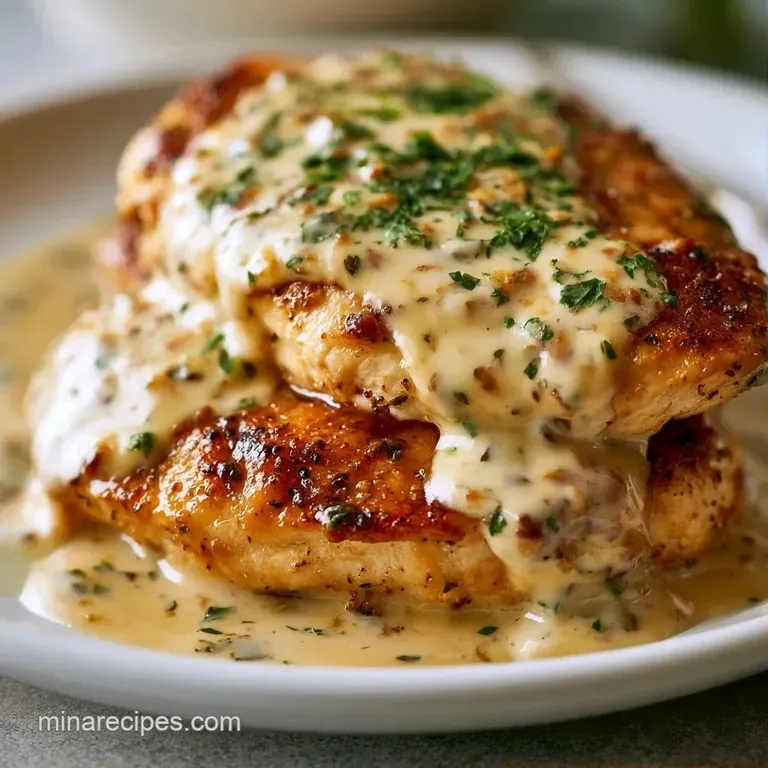
This Creamy Garlic Chicken Breast is ready as soon as the sauce coats the back of a spoon.
Fixing Common Issues
The Sauce is Too Thin
If the sauce looks more like soup than a cream, you likely didn't simmer it long enough after adding the heavy cream. The liquid needs a few minutes to reduce and concentrate. You can also whisk in an extra tablespoon of Parmesan to thicken it up quickly.
The Garlic Tastes Bitter
Bitter garlic happens when the minced cloves brown too much or burn. Garlic cooks incredibly fast, and once it turns dark brown, the flavor ruins the whole pan. Always lower the heat before adding it and keep it moving.
The Chicken is Dry
Dry meat usually comes from two things: skipping the pounding step or cooking it too long. Use a meat thermometer to check for 165°F (74°C). If you're using a 12 inch pan and searing for 6 minutes per side, you're usually in the safe zone.
| Problem | Root Cause | Solution |
|---|---|---|
| Grainy Sauce | Cheese added too fast | Whisk in Parmesan slowly over low heat |
| Pale Chicken | Pan not hot enough | Wait for butter to foam before adding meat |
| Sauce Separated | Heat too high | Lower heat and whisk vigorously |
Once you've sorted these, you'll find this recipe is very forgiving. The key is just watching the visual cues in the pan.
Customizing Your Meal
You can easily lean into different flavors depending on what's in your fridge. For a Creamy Garlic Chicken Breast with mushrooms, sauté sliced cremini mushrooms right after the chicken comes out of the pan and before you add the garlic. The mushrooms soak up the chicken fat and add a great earthy contrast.
If you want something lighter, you can swap the heavy cream for a mix of chicken broth and a bit of Greek yogurt, though you'll need to add the yogurt at the very end off the heat to prevent curdling. For those who love heat, a pinch of red pepper flakes added with the garlic gives it a zesty kick.
If you're looking for other ways to use these flavors, my 30Minute Chicken Dinner uses a similar approach to speed and flavor. It's all about maximizing the pan's potential.
Decision Shortcut
- Want more veg? Add spinach or asparagus to the sauce at the end.
- Need it lower carb? Skip the flour dredging and serve over zoodles.
- Looking for a punchier sauce? Add a squeeze of fresh lemon juice just before serving.
Scaling the Recipe
When cutting this in half, remember that the sauce reduces faster in a smaller pan. You might need an extra splash of chicken broth to keep it from getting too thick. Use a smaller skillet so the sauce doesn't evaporate instantly.
For doubling or tripling the batch, don't try to sear all the chicken at once. You'll crowd the pan, the temperature will drop, and you'll lose the crust. Work in batches, keeping the seared meat on a plate in the oven on "warm" while you finish the rest.
Keep the spices and salt at about 1.5x when doubling the meat. Too much salt in the flour coating can make the final dish taste metallic, especially since the Parmesan already adds a lot of sodium.
Debunking Kitchen Myths
Searing meat does not "seal in the juices." This is a common belief, but moisture loss happens regardless of the sear. The crust is actually about flavor and texture, not about creating a waterproof barrier for the meat.
Another myth is that you need to let the meat rest for 10 minutes before adding it to the sauce. While resting is great for steaks, for a Creamy Garlic Chicken Breast, returning the meat to the sauce helps it soak up those flavors and keeps it warm.
Finally, some people think you can't use frozen chicken for this. You can, but it must be fully thawed. Cooking from frozen will release too much water, making it impossible to get that golden brown crust.
Storage and Reheating
This dish keeps well in the fridge for up to 3 days. Store it in an airtight container, making sure the chicken is fully submerged in the sauce. This prevents the meat from drying out when it hits the cold air of the refrigerator.
For the freezer, I recommend freezing the chicken and sauce together for up to 2 months. When you're ready to eat, thaw it in the fridge overnight. Reheat it slowly in a skillet over medium low heat.
Adding a tablespoon of water or broth during reheating helps the sauce loosen back up. Avoid the microwave if you can, as it tends to split the cream and make the chicken rubbery again.
To avoid waste, use any leftover sauce as a base for a pasta dish. Just boil some fettuccine, toss it in the leftover cream, and you've got a second meal. If you have extra parsley stems, chop them finely and throw them into your next chicken broth.
The Best Side Pairings
Because the sauce is so rich, you need sides that can either cut through the fat or soak it up. A simple steamed broccoli or roasted asparagus provides a fresh, bitter contrast that balances the heavy cream.
For a carb heavy comfort meal, Simple Homemade Garlic Bread is the way to go. The crunch of the bread against the sauce is a match made in heaven. If you prefer rice, a wild rice blend adds a nutty flavor that complements the Parmesan.
Pasta is the obvious choice. I suggest using a wide noodle like pappardelle or fettuccine. The wide surface area allows the garlic sauce to coat every inch of the pasta, making the whole plate feel cohesive.
Whether you're making this for a quiet night in or a family gathering, the Creamy Garlic Chicken Breast is a winner. It takes the stress out of cooking chicken and replaces it with a meal that actually tastes like you spent hours on it.
High in Sodium
851 mg 851 mg of sodium per serving (37% 37% of daily value)
The American Heart Association recommends that most adults limit their sodium intake to 2,300 mg per day to reduce the risk of hypertension and heart disease.
Tips to Reduce Sodium
-
Switch Broth-30%
Replace the standard chicken broth with a low-sodium or no-salt added version to significantly lower the base sodium level.
-
Reduce Added Salt-25%
Omit or reduce the 1 tsp of added salt used for dredging the chicken, as the cheese and broth provide existing saltiness.
-
Limit Parmesan-15%
Reduce the amount of grated Parmesan cheese by half or substitute with a small amount of a sharper cheese for a similar flavor profile.
-
Enhance with Aromatics
Increase the amount of fresh parsley and dried oregano or add a squeeze of lemon juice to boost flavor without adding sodium.
Recipe FAQs
Is chicken breast good for diabetics?
Yes, it is an excellent lean protein. It has a low glycemic index and helps maintain stable blood sugar levels.
How to cook chicken for diabetics?
Substitute the flour coating with a light seasoning. Pair the chicken with non-starchy vegetables to keep the overall carbohydrate count low.
How to cook chicken for someone with gastritis?
Omit the garlic and black pepper. Use a gentle poaching method instead of searing in butter to avoid irritating the stomach lining.
What is creamy garlic sauce made of?
It is a blend of heavy cream, Parmesan cheese, minced garlic, and chicken broth. These ingredients are simmered with dried oregano to create a rich, savory glaze.
How to ensure the chicken cooks evenly?
Pound the thickest part of the breast to 3/4 inch thickness. This ensures the center reaches a safe temperature without overcooking the thinner edges.
What are some other good chicken breast recipes?
Try pan-searing or baking. If you enjoyed the crust formed in this recipe, you can apply the same technique to a quick pan seared dish.
How to reheat the chicken without the sauce splitting?
Warm it slowly in a skillet over medium low heat. Stir in a tablespoon of chicken broth to help the sauce loosen and emulsify again.
Creamy Garlic Chicken Breast