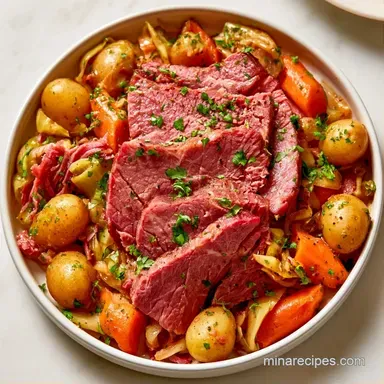
Tender Corned Beef and Cabbage Boiled Dinner

- Time: 15 min active + 240 min simmering
- Flavor/Texture Hook: Salty, tender beef with buttery, soft root vegetables
- Perfect for: Family gatherings or a cozy Sunday dinner
Your home will be filled with the scent of simmering brine and pickling spices a classic, savory fragrance that signals a meal is on the way. Be careful not to let the pot boil too vigorously; doing so can leave the meat rubbery and turn the cabbage into a colorless mush.
No professional equipment is necessary for success here. All you need is a large stockpot and a bit of patience. This Corned Beef and Cabbage Boiled Dinner highlights the wonderful contrast between the rich, briny brisket and the fresh, clean flavors of carrots and cabbage.
The goal is beef that shreds with ease, avoiding any tough or chewy pieces. You'll end up with tender ribbons of meat paired with vegetables that are cooked through but still hold their form.
Corned Beef and Cabbage Boiled Dinner
Low Temperature: Simmering instead of boiling stops the muscle fibers from tightening up. This keeps the beef tender.
Acid Balance: The apple cider vinegar cuts through the heavy salt of the cure. It brightens the whole pot.
Staggered Timing: Adding vegetables in stages prevents the carrots from disappearing and the cabbage from overcooking.
Why the Meat Stays Tender
| Method | Time | Texture | Best For |
|---|---|---|---|
| Stovetop Simmer | 4 hours | Traditional & Tender | Classic Family Meals |
| Slow Cooker | 8 hours | Very Soft | Set and Forget Days |
| Instant Pot | 1.5 hours | Consistent | Last Minute Guests |
The trick is avoiding a rolling boil. High heat makes the proteins contract, which leads to that rubbery texture we all hate.
The Essential Ingredients
| Ingredient | Role | If You Don't Have It |
|---|---|---|
| Corned Beef Brisket | Main protein and salt source | Salt pork (changes flavor) |
| Apple Cider Vinegar | Cuts salt and tenderizes | White vinegar or lemon juice |
| Pickling Spice | Adds warmth and depth | Clove, peppercorn, and bay leaf |
| Green Cabbage | Adds bulk and brightness | Savoy cabbage |
For the Brisket
- 3.5 lb corned beef brisket Why this? Flat cut is easier to slice into ribbons
- 2 tbsp apple cider vinegar Why this? Balances the brine
- 1 oz pickling spice Why this? Classic aromatic profile
For the Root Vegetables
- 1 lb carrots, peeled and cut into 2 inch chunks Why this? Large chunks don't mush
- 1.5 lb baby gold potatoes, left whole Why this? Hold shape better than russets
- 1 large yellow onion, peeled and quartered Why this? Adds a sweet base note
For the Greens
- 2 lb head of green cabbage, cut into 8 thick wedges Why this? Wedges stay intact
- 1 tbsp unsalted butter Why this? Adds a rich finish
- fresh cracked black pepper to taste
Right then, check your pantry for the spices. If you're missing the pickling mix, just toss in some mustard seeds and allspice. It'll be close enough.
Tools You Will Need
You need a large stockpot or a Dutch oven. It has to be big enough to hold the brisket and all the vegetables without crowding them. If the pot is too small, the vegetables will steam unevenly.
A slotted spoon is a lifesaver here. You'll use it to lift the beef out without splashing hot brine everywhere. Also, grab a sharp carving knife. Slicing against the grain is the only way to ensure the meat isn't chewy.
Making the Dinner
Phase 1: Prepping and Simmering the Beef
- Remove the corned beef from its packaging. Rinse it thoroughly under cold water until the surface salt is gone. Note: This prevents the dish from being overly salty
- Place the brisket in your pot. Add the apple cider vinegar and pickling spice. Fill with water until the meat is covered by 2 inches of liquid.
- Bring the water to a gentle boil over medium high heat. Immediately reduce to a low simmer. Cover with a tight lid.
- Simmer for 3 to 3.5 hours until a fork slides in and out with zero resistance.
Phase 2: Timing the Vegetables
- Add the quartered onions, carrots, and potatoes around the beef. Cover and simmer for 30 minutes.
- Gently place the cabbage wedges on top of the other vegetables. Cover and simmer for 15–20 minutes until the cabbage is translucent and tender.
Phase 3: The Final Rest and Slice
- Carefully remove the beef using a slotted spoon. Let it rest on a cutting board for 15–20 minutes. Note: Resting lets the juices redistribute
- Identify the grain of the muscle fibers. Slice the beef against the grain into thin ribbons.
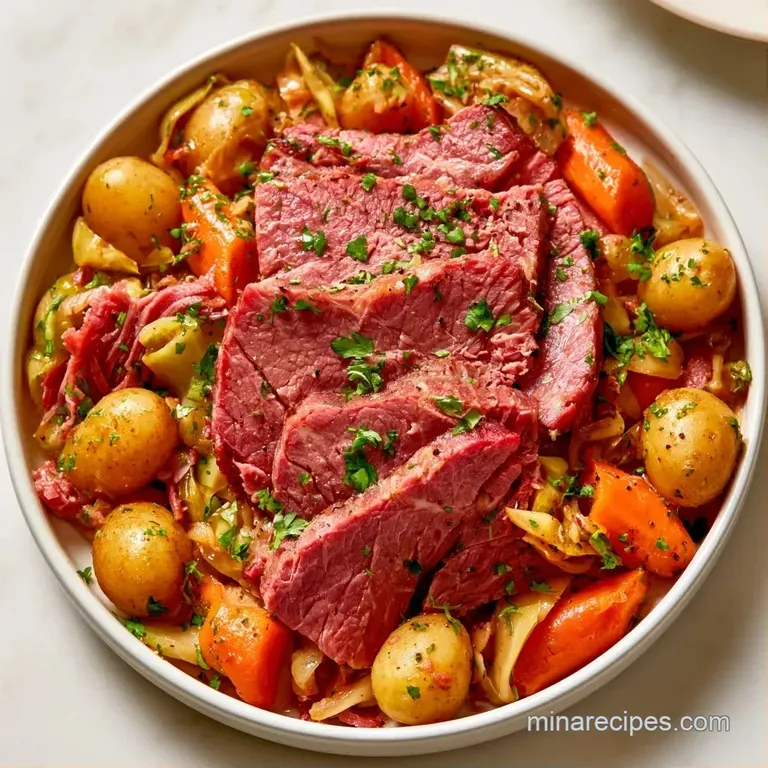
- Plate the sliced beef with the root vegetables and cabbage. Finish with a pat of butter and fresh cracked black pepper.
Chef's Note: Don't skip the rinse. Pre brined meats often have a layer of salt on the outside that can ruin the broth if you don't wash it off first.
Solving Common Problems
If the water evaporates too quickly, your beef will toughen. I've had this happen when my lid didn't fit quite right. Check the pot every hour. If the water level drops, add boiling water to keep the temperature steady.
Some people find their beef is still tough after 4 hours. This usually happens if the heat was too high, which "locks" the fibers. Trust me, just keep simmering. Every piece of meat is different, and some just need an extra 30 minutes to give in.
The broth can sometimes taste too salty. If it's overpowering, you can add a peeled, halved potato to the pot for the last 30 minutes. It helps absorb some of the excess salt.
Fixing Common Issues
| Problem | Fix |
|---|---|
| Meat is rubbery | Lower the heat and simmer longer |
| Cabbage is mushy | Reduce cabbage simmer time by 5 mins |
| Broth is too salty | Rinse meat longer or add a potato |
Different Ways to Cook
If you're short on time, you can try a boiled cabbage recipe as a side and cook the beef separately in a pressure cooker. It cuts the time down significantly, though you lose some of that one pot flavor integration.
For those who prefer a slower pace, a slow cooker works great. Just put the beef and spices in for 8 hours on low, then add the vegetables in the last 2 hours.
If you want a different vibe entirely, you could try something like cabbage wraps for a lighter meal on the side.
Decision Shortcut:
- Less salt? → Rinse meat for 2 full minutes.
- Tangier broth? → Add 1 tbsp more apple cider vinegar.
- Softer cabbage? → Simmer for 5 extra minutes.
Storing Your Dinner
Store leftovers in airtight containers and refrigerate them for 3 to 4 days. The beef often tastes even better the next day once the flavors have melded.
To reheat, avoid using the microwave on high, which can make the beef tough. Instead, place the meat and vegetables in a pan with a splash of the original cooking liquid and warm over low heat.
The beef and carrots can be frozen for up to 2 months. I suggest skipping the freezer for the cabbage, as it becomes soggy and limp after thawing.
To minimize waste, save the cooking liquid. Strain it and use it to start a beef barley soup or a rich stew. It is already quite salty and spiced, so taste it before adding any further seasoning.
Serving Suggestions
Since this dish is rich and savory, it pairs perfectly with something zesty to cut through the heaviness. I recommend serving it alongside a dollop of spicy brown mustard or a tangy horseradish cream.
For more cabbage centric feast ideas, stuffed cabbage is an excellent choice for a contrasting side.
To keep it traditional, add some soda bread to the table. Its dense crumb is ideal for soaking up every drop of that salty, buttery broth.
Busting Brisket Myths
The idea that searing meat "locks in the juices" is actually a misconception. While browning creates a flavorful crust, it doesn't prevent moisture loss. In a boiled dinner, the slow simmer is what truly counts.
Additionally, you don't need a specific brand of corned beef to get great results. The quality of the cut is far more important than the label; simply choose a flat brisket with a healthy fat cap.
Per USDA guidelines, beef is safe at an internal temperature of 145°F, but corned beef is typically cooked well beyond that to ensure it is tender. For the best texture, Serious Eats recommends slicing the meat very thinly against the grain.
Precision Checkpoints
- Liquid Level: Ensure the meat stays submerged under 2 inches of water.
- Tender Point: Simmer for 3 to 3.5 hours until a fork inserts easily.
- Rest Time: Let the beef sit for 15 to 20 minutes before you slice.
Critical Sodium Level
3020 mg 3,020 mg of sodium per serving (131% 131% of daily value)
To lower cardiovascular risks, the AHA suggests a daily sodium cap of 2,300mg, though a target of 1,500mg is preferred for many adults.
Ways to Lower the Sodium Content
-
Rinse and Soak-30%
Give the corned beef a thorough rinse under cold water or soak it for 2 hours before cooking to draw out extra surface brine.
-
Select Low-Sodium Meat-25%
Opt for reduced sodium corned beef brisket, which drastically cuts down the initial salt levels of the main protein.
-
Increase Vegetable Volume-15%
Double your cabbage and carrots to increase the total meal volume, which dilutes the sodium concentration per portion.
-
Check Spice Blend-10%
Ensure your pickling spice is a sodium free mix of whole peppercorns and seeds rather than a salted version.
-
Enhance with Aromatics
Stir in extra fresh cracked black pepper, fresh dill, or parsley at the end to build bold flavor without needing more salt.
Very High in Sodium
3020 mg 3,020 mg of sodium per serving (131% 131% of daily value)
The American Heart Association recommends a daily sodium limit of no more than 2,300 mg, with an ideal limit of 1,500 mg for most adults, especially those with hypertension.
Tips to Reduce Sodium
-
Soak the Brisket-25%
Soak the corned beef in cold water for 12 to 24 hours before cooking, changing the water every few hours to leach out excess curing salt.
-
Select Low-Sodium Meat-20%
Purchase low-sodium or reduced sodium corned beef brisket if available at your local butcher or grocery store.
-
Audit Pickling Spices-10%
Check your pickling spice label for added salt; if present, substitute with a homemade blend of mustard seeds, peppercorns, and bay leaves.
-
Enhance Natural Aromatics
Add extra fresh garlic, cracked black pepper, or fresh parsley to boost the flavor profile without increasing sodium intake.
Recipe FAQs
How long do you boil corned beef for boiled dinner?
Simmer for 3 to 3.5 hours. This duration ensures the meat is tender and a fork slides in and out with zero resistance.
Is boiled dinner the same as corned beef and cabbage?
Yes, they are essentially the same meal. Both terms describe a traditional pot of corned beef simmered with root vegetables and cabbage.
Is it true that rinsing the corned beef is optional?
No, this is a common misconception. Rinsing thoroughly under cold water is necessary to remove excess surface salt before cooking.
What is the total time required for this meal?
Allow for 255 minutes in total. This encompasses 15 minutes of preparation and 240 minutes of cooking time.
How to boil cabbage wedges for this recipe?
Place the wedges on top of the other vegetables. Simmer for an additional 15 to 20 minutes until the cabbage is translucent and tender.
When should you remove the cabbage from the heat?
After 15 to 20 minutes of simmering. The cabbage is fully cooked once it becomes translucent throughout.
Which uses are best for leftover cooked cabbage?
Sauté it in a pan with butter. If you liked mastering this slow simmering method, you'll find a similar approach in our venison stew.
Corned Beef And Cabbage Dinner