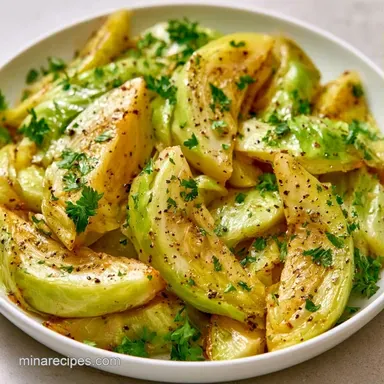
Boiled Cabbage for Corned Beef in 25 Minutes
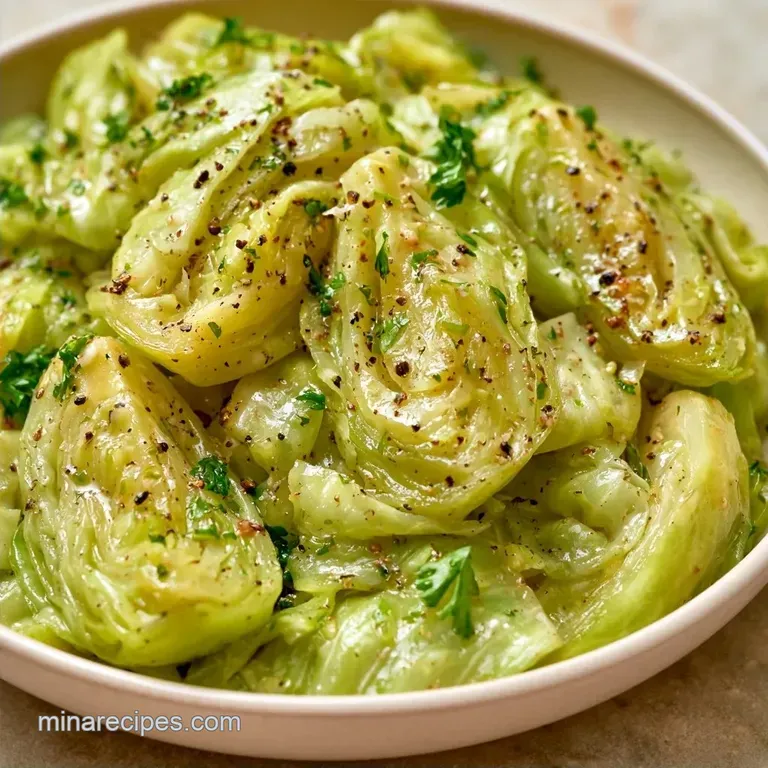
- Time: 10 minutes prep + 15 minutes simmering
- Taste & Texture: Savory, tender with a slight snap
- Perfect for: St. Patrick's Day or a cozy Sunday roast
Every March, my kitchen is filled with the aroma of salt and cloves. I remember my father battling a massive pot of brisket, adding the cabbage three hours too early. By the time dinner was served, the cabbage had become a pale, greyish puree a soggy mess that had completely lost its character.
It took me a few years to realize that the "one pot" approach is a mistake. A tough cut of meat and a fragile vegetable cannot be expected to finish at the same moment. Now, I treat the greens as a separate step. It requires an extra pot, but the resulting difference in flavor and appearance is immense.
You can count on a side dish that actually retains its structure on the plate. This version of Boiled Cabbage for Corned Beef stays bright and tastes of the brine it was simmered in, finished with a fresh touch of butter. It is the finest version I've made since I abandoned those old-school one-pot guides.
Boiled Cabbage for Corned Beef
Why Most Recipes Fail
Most guides tell you to simmer the veg with the meat for hours. That's why the cabbage ends up grey and tasteless. When you boil it separately in the reserved brine, you control the texture.
Vinegar Splash: A bit of acid stops the greens from losing their color. It keeps them bright and adds a tang that cuts through the fatty meat.
The Separate Pot: Cooking the veg on its own means it doesn't overcook while you're waiting for the beef to tenderize. Serious Eats' testing shows that precise timing is the only way to avoid a gummy texture.
The Ingredient List
You don't need a long list here, but the quality of the brine matters. Since you're using the liquid from the beef, that's where all the savory depth comes from.
For the cabbage, I always go with a standard green cabbage. It's sturdy and handles the heat well. If you're feeling fancy, Savoy cabbage works too, though it's a bit softer. I use unsalted butter because the corned beef brine is already a salt bomb.
| Original Ingredient | Substitute | Why It Works |
|---|---|---|
| Green Cabbage (2 lb) | Savoy Cabbage (2 lb) | Similar flavor. Note: Softer, more crinkled leaves |
| Unsalted Butter (2 tbsp) | Ghee (2 tbsp) | Higher smoke point, similar richness |
| Apple Cider Vinegar (1 tbsp) | White Wine Vinegar (1 tbsp) | Similar acidity to brighten the color |
| Fresh Parsley (1/4 cup) | Chopped Chives (1/4 cup) | Adds a mild oniony kick instead of herbal freshness |
And just a quick tip: always use a slotted spoon. You want the cabbage, not a bowl of salty soup on your platter.
Tools for the Job
You'll need a large stock pot. It needs to be wide enough that the cabbage wedges aren't crammed in, or they'll steam unevenly. A sharp chef's knife is a must for the coring process.
I also recommend a wide platter for serving. Cabbage takes up a lot of space, and if you pile it too high, the bottom wedges get crushed and lose that nice snap.
The Cooking Process
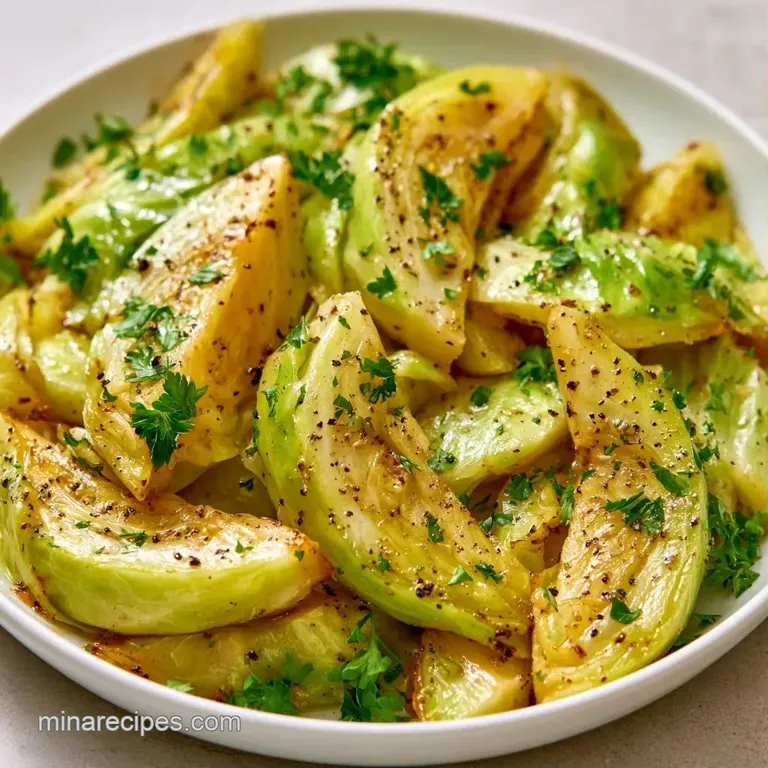
Right then, let's get into it. Make sure your corned beef is already resting on a cutting board so the brine is ready and hot.
Phase 1: The Prep
Core the cabbage by cutting a deep 'X' into the bottom. Slice the head into 8 uniform wedges, keeping the core intact. Note: This keeps the leaves from separating in the pot.
Phase 2: The Simmer
Bring 4 cups of corned beef cooking liquid and 1 tbsp apple cider vinegar to a rolling boil in your stock pot. Gently slide the cabbage wedges into the liquid.
Reduce the heat to medium and simmer uncovered for 8–12 minutes. Cook until the thickest part of the wedge is translucent and yields to a fork, but the edges still have a bit of a bite.
Phase 3: The Finishing Touch
Use a slotted spoon to transfer the wedges to a platter. While they're steaming hot, dot each wedge with butter and sprinkle with 1/2 tsp black pepper.
The butter should melt instantly, creating a glossy sheen. Garnish with 1/4 cup chopped fresh parsley and serve immediately.
Solving Common Texture Issues
If you're making Boiled Cabbage for Corned Beef, you'll likely run into one of these three things.
Fixing Mushy Texture
If the cabbage is too soft, you probably simmered it too long or put a lid on the pot. The lid traps too much heat and steams the veg into oblivion. Next time, leave the pot open and start checking for doneness 3 minutes earlier than the recipe says.
Avoiding Grey Color
Grey cabbage happens when the chlorophyll breaks down from overcooking or a lack of acid. Always add the vinegar to the water. If you've already overcooked it, you can't bring the color back, but a heavy sprinkle of fresh parsley can mask the dullness.
Solving Blandness
If the greens taste like nothing, your brine was too diluted. You can fix this by whisking a teaspoon of salt or a splash more vinegar into the liquid before adding the cabbage. If it's already plated, a squeeze of fresh lemon juice wakes everything up.
Make It Your Own
Feel free to customize this using whatever you have on hand. For a heartier meal, I suggest tossing in sliced potatoes and carrots. Since potatoes take longer to tenderize, add them to the pot 10 minutes before the cabbage.
If you're looking for a different consistency, this boiled cabbage recipe is a great alternative that serves 6 people using a slightly different method.
To introduce some spiciness, stir some crushed red pepper into the butter before applying it to the wedges. This adds a gentle kick that complements the saltiness of the beef.
[Goal]? → [exact change] Extra tang? → add 1 tsp lemon juice at the end More salt? → use a higher ratio of brine to water Faster cook? → cut cabbage into 12 smaller wedges
Saving and Storing Leftovers
Keep any remaining cabbage in a sealed container and refrigerate for 3 days. It may lose some of its crunch, but it's still delicious.
To reheat, avoid using the microwave if possible, as it can make the cabbage rubbery. Instead, sauté it in a hot pan with a small pat of butter for 2-3 minutes.
To reduce waste, don't toss the cabbage core or outer leaves. I generally freeze them in a bag with onion scraps to create a vegetable stock base. If you have extra brisket, it's a completely different feel than Korean beef short ribs, but it makes an amazing sandwich the following day.
Plate and Serve
The traditional platter is the way to go here. Place the sliced corned beef in the center and arrange the cabbage wedges in a circle around it. It looks like a feast and keeps the meat from drying out.
If you're doing a more modern bowl, chop the wedges into bite sized pieces and toss them with the butter and parsley in a bowl before plating.
| Method | Texture | Visual |
|---|---|---|
| Classic (One Pot) | Mushy/Soft | Grey/Dull |
| This Way (Separate) | Tender/Crisp | Bright Green |
For a final touch, serve with a side of grainy Dijon mustard. The sharp heat of the mustard works with the butter on the cabbage to create a really balanced bite. Trust me, the mustard is a non negotiable.
Recipe FAQs
How to prepare cabbage for corned beef?
Simmer cabbage wedges in boiling corned beef brine and apple cider vinegar for 8 to 12 minutes. This prevents the greens from becoming mushy and keeps the color vibrant.
How long should the cabbage boil?
Cook for 8 to 12 minutes until the thickest part of the wedge is translucent and yields to a fork. Reducing the heat to medium ensures a consistent texture throughout the vegetable.
Is it true you must boil cabbage with the lid on?
Actually, no. Leaving the pot uncovered allows you to better control the simmer and prevents the cabbage from overcooking.
What seasonings work best for this side?
Dot each steaming wedge with butter and season with black pepper and chopped parsley. If you enjoyed balancing these savory notes here, see how the same flavor profile works in our venison stew.
Boiled Cabbage For Corned Beef