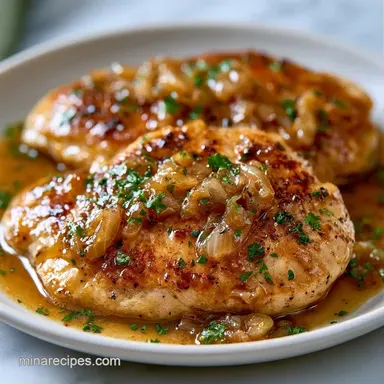
Restaurant-Style Chicken with Pan Sauce
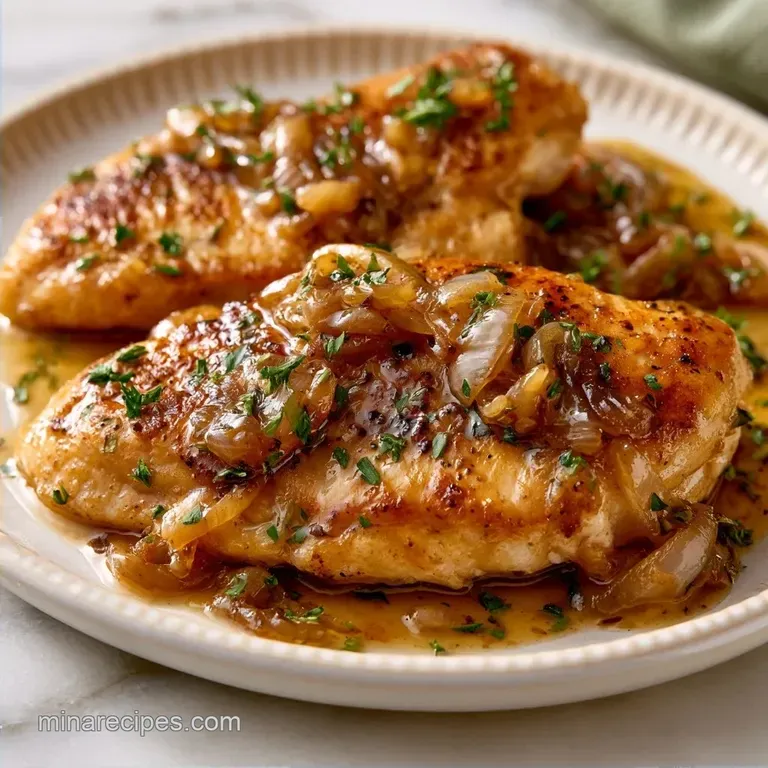
- Time: 5 min active + 15 min cook
- Flavor/Texture Hook: Zesty, buttery, and deep golden brown
- Perfect for: A fast weeknight dinner that feels fancy
That sound of butter foaming in a hot skillet is, for me, the sound of a good dinner starting. I remember the first time I tried to make a pan sauce. I didn't understand the concept of "fond" (those brown bits at the bottom of the pan), so I scrubbed them away or let them burn.
I ended up with a greasy, broken puddle that tasted like nothing. It was a total mess, and I almost gave up on the idea.
But once I learned how to actually deglaze the pan, everything changed. You don't need hours of simmering or a degree in French cooking to get this right. You just need a few basic ingredients and about twenty minutes.
This Chicken with Pan Sauce is all about the contrast. You get the crisp, salty crust on the meat paired with a bright, acidic sauce that cuts right through the richness of the butter. It's a simple balance that makes the whole dish feel complete.
Better Chicken with Pan Sauce
Why This Method Works
The Fond Factor: Those browned bits stuck to the pan are concentrated flavor. When we add liquid, they dissolve back into the sauce, providing a deep, savory base.
Cold Butter Finish: Adding chilled butter at the end creates a stable emulsion. This thickens the sauce and gives it a glossy look without needing a flour roux.
| Method | Time | Texture | Best For |
|---|---|---|---|
| Fast Reduction | 15 mins | Light and glossy | Weeknight meals |
| Classic Demi Glace | 12 hours | Thick and syrupy | Formal dinners |
| Cream Based | 20 mins | Heavy and opaque | Comfort food |
What Each Ingredient Does
| Ingredient | What It Does | Best Swap |
|---|---|---|
| Dry White Wine | Adds acidity and lifts browned bits | White grape juice + lemon |
| Cold Butter | Emulsifies and thickens the sauce | Cold coconut oil (dairy-free) |
| Shallots | Provides a mild, sweet onion base | Finely diced red onion |
| Chicken Stock | Adds body and savory depth | Vegetable broth |
Shopping List Essentials
For this recipe, you'll want to be specific about your butter and wine. Don't use a "cooking wine" from a cardboard box. Those are usually too salty and taste artificial. Any dry white you'd actually drink, like a Sauvignon Blanc or Pinot Grigio, works best.
You'll need: - 4 (6 oz / 170g) boneless skinless chicken breasts Why this? Uniform size ensures they all cook at the same rate. - 2 tbsp (30ml) neutral oil Why this? High smoke point prevents burning at high heat. - 1 tbsp (14g) unsalted butter
Why this? Adds flavor to the sear. - 1 tsp (6g) kosher salt - ½ tsp (1g) cracked black pepper - 1 medium (30g) shallot, finely minced - ½ cup (120ml) dry white wine - ¾ cup (180ml) low sodium chicken stock - 1 tbsp (15ml) fresh lemon juice - 3 tbsp (42g) cold
Unsalted butter, cubed Why this? Must be cold to prevent the sauce from breaking. - 1 tbsp (4g) fresh parsley, chopped
Essential Kitchen Gear
You don't need a professional kitchen, but a stainless steel or cast iron skillet is your best friend here. Non stick pans are great for eggs, but they don't develop that mahogany crust we want for a Chicken with Pan Sauce. If you use non stick, you won't get the fond, and your sauce will be thinner and less flavorful.
A whisk is also helpful. While a spoon works, a whisk helps you incorporate the cold butter faster, which keeps the emulsion stable. If you're using a meat thermometer, make sure it's an instant read version.
Cooking Process
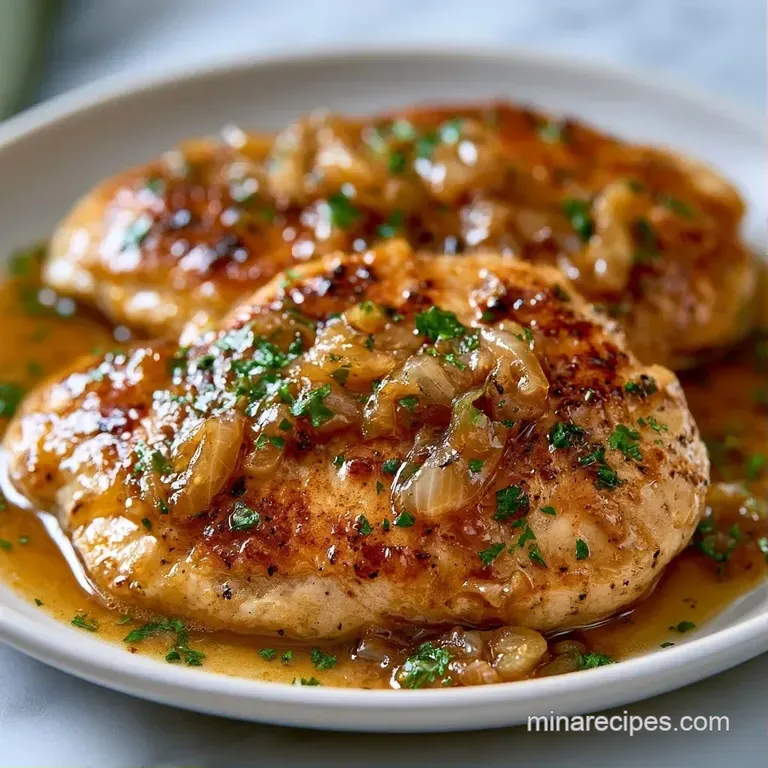
- Pat the chicken breasts completely dry with paper towels and season generously with salt and pepper. Note: Wet chicken steams instead of searing.
- Heat the neutral oil and 1 tbsp of butter over medium high heat until the butter foams.
- Add chicken and sear for 5–7 minutes per side until a deep golden brown crust forms and the internal temperature reaches 165°F (74°C).
- Remove chicken to a plate and tent loosely with foil.
- Reduce heat to medium. Add the minced shallots to the remaining fat in the pan, sautéing for 1–2 minutes until translucent and fragrant.
- Pour in the white wine, using a whisk or wooden spoon to aggressively scrape the bottom of the pan. Let the wine reduce by half.
- Stir in the chicken stock and lemon juice. Increase heat to high and boil until the liquid reduces by half again and looks slightly syrupy.
- Turn the heat to low and whisk in the cold cubed butter one piece at a time.
- Stir in chopped parsley and serve over the seared chicken.
Chef's Note: If you see the sauce starting to bubble too violently after you add the butter, pull the pan off the heat entirely. The residual heat is enough to melt the butter without breaking the sauce.
Fixing Sauce Issues
If your sauce looks like a pool of oil rather than a glossy glaze, it "broke." This happens when the fat separates from the liquid, usually because the heat was too high when you added the butter. To fix this, whisk in a teaspoon of cold water or a tiny bit more cold butter over very low heat to bring it back together.
If you're struggling with the sear, you might be crowding the pan. If the chicken pieces are touching, they'll release moisture and boil in their own juices. If you have a small pan, sear the meat in two batches. For a simpler approach to the meat, you can follow my quick pan seared chicken method before starting the sauce.
Why Your Sauce Separated
| Problem | Root Cause | Solution |
|---|---|---|
| Oily Surface | Heat too high during butter whisking | Remove from heat; whisk in cold butter slowly |
| Too Thin | Not enough reduction time | Boil for 2-3 more minutes before adding butter |
| Too Salty | Stock reduced too far | Add a squeeze of lemon juice or a splash of water |
Customizing Your Plate
Once you've got the hang of this, you can change the flavor profile easily. For a Chicken Pan Sauce with Capers, just add two tablespoons of drained capers along with the lemon juice. It gives it a salty, briny kick that feels very Mediterranean.
If you want a Creamy Pan Sauce for Chicken, whisk in two tablespoons of heavy cream right before you add the cold butter. This makes it richer and more filling. For those who want a heartier meal, try pairing this with something like Marry Me chicken rice.
Quick Decision Guide:
- For more tang: Add an extra squeeze of lemon.
- For a nutty depth: Use browned butter for the initial sear.
- For a herbal twist: Swap parsley for fresh tarragon or thyme.
Storing Your Meal
Store the chicken and sauce together in an airtight container in the fridge for up to 3 days. The sauce will thicken significantly as it cools, which is normal.
When you're ready to reheat, do it gently. Put the chicken and sauce in a small pan over medium low heat. Add a tablespoon of water or chicken stock to loosen the sauce. Avoid the microwave if you can, as it tends to overcook the chicken and can cause the butter in the sauce to separate again.
For zero waste, don't toss the shallot ends or any leftover chicken trimmings. Put them in a freezer bag with carrot peels and celery ends. Once the bag is full, boil them all together to make a basic home-made stock for your next pan sauce.
Serving Ideas
This dish is quite rich, so it needs something to balance it out. I love serving it with mashed potatoes because they soak up every drop of the sauce. If you want something lighter, steamed asparagus or roasted carrots work beautifully.
For a more elegant look, slice the chicken on a bias and fan it out across the plate. Spoon the sauce over the center and garnish with an extra pinch of fresh parsley. It's a simple presentation, but the contrast of the golden chicken and the bright green herbs looks great.
Common Truths
Searing meat doesn't actually "seal in" the juices. That's a common myth. In reality, searing causes moisture loss, but it creates a flavor packed crust through the Maillard reaction. We sear for the taste, not to keep the meat moist.
Another misconception is that you need a professional reduction to get a thick sauce. The cold butter emulsion provides a thick, rich texture in seconds, making the long reduction process optional for home cooks.
Right then, you've got everything you need to make a killer Chicken with Pan Sauce. It's all about that balance of heat, acid, and fat. Get that pan hot, don't be afraid to scrape the bottom, and enjoy the results.
Recipe FAQs
How to make a simple pan sauce for chicken?
Sauté shallots in the pan drippings, deglaze with white wine, and reduce chicken stock and lemon juice before whisking in cold butter. This process captures the browned bits from the chicken for maximum flavor.
How to get a creamy texture without using cream?
Whisk cold cubed butter into the reduced sauce over low heat one piece at a time. This creates a stable emulsion that provides a rich, silky mouthfeel without adding heavy cream.
Can I use baked chicken instead of seared chicken for this sauce?
Yes, but you'll lose the fond. Since the sauce relies on the browned bits left in the skillet, you would need to sear the chicken first. If you prefer oven methods, try our healthy baked chicken for a different approach.
How to deglaze the pan properly for the sauce?
Pour white wine into the hot pan and aggressively scrape the bottom with a whisk or wooden spoon. This releases the caramelized proteins, known as fond, and incorporates them into the liquid.
How to reheat chicken and pan sauce without separating the butter?
Place the chicken and sauce in a small pan over medium low heat and add a tablespoon of water or chicken stock. Avoid the microwave, as it often overcooks the meat and breaks the emulsion.
How long can I store the chicken and sauce in the fridge?
Up to 3 days. Keep them together in an airtight container to maintain moisture and prevent the meat from drying out.
Is it true that warm butter works just as well as cold butter for the final emulsion?
No, this is a common misconception. Cold butter melts more slowly, allowing the fat to bond with the sauce rather than separating into a greasy layer.
Chicken With Pan Sauce