Creamy Mashed Potatoes: Silky and Buttery
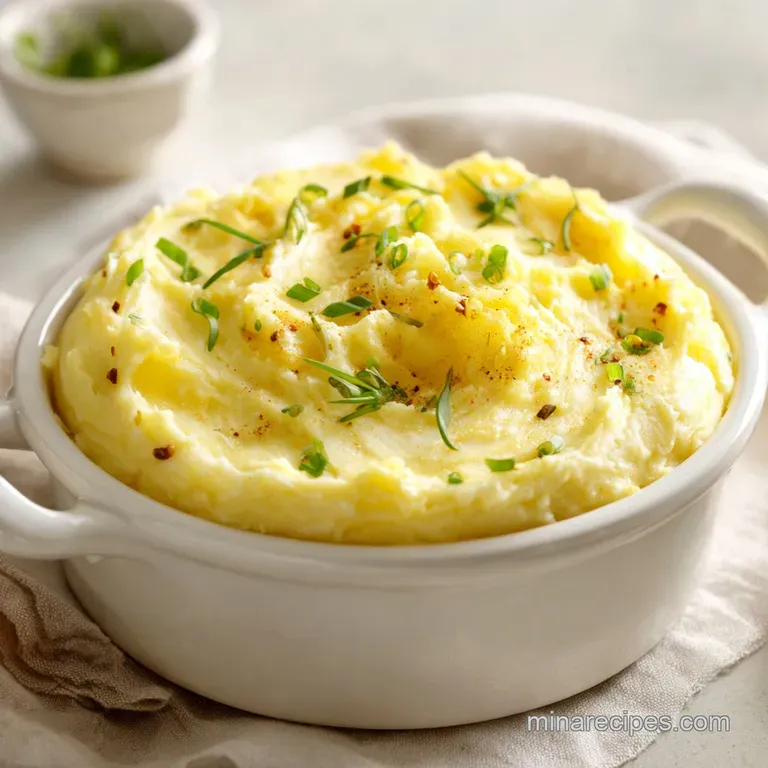
- Time:10 minutes prep + 15 minutes cook = 25 minutes total
- Flavor/Texture Hook: Velvety, buttery finish with a subtle garlic backbone
- Perfect for: Thanksgiving dinner, Sunday roasts, or cozy weeknight comfort
- What Makes These Creamy Mashed Potatoes The Star Of Dinner
- Texture Secrets For Turning Simple Spuds Into Silk
- Selecting The Best Ingredients For A Fluffier Finish
- Essential Kitchen Tools Required For Smooth Results
- Mastering The Precise Boil And Finishing Technique
- Common Pitfalls To Sidestep For Perfect Texture
- Troubleshooting Common Issues
- Flavor Variations To Match Every Special Occasion
- Scaling The Recipe For Crowds Or Couples
- Storage Guidelines For Keeping Leftovers Fresh
- Perfect Main Dishes For Your Potato Side
- Very High in Sodium
- Recipe FAQs
- 📝 Recipe Card
What Makes These Creamy Mashed Potatoes The Star Of Dinner
Imagine the steam rising from a big, white bowl in the center of the table while the scent of warm butter and chives fills the room. I used to think that great spuds were just about how much butter you could force into the bowl, but I learned the hard way that technique matters way more than quantity.
One year, I rushed the process and ended up with a bowl of sticky, library paste textured potatoes that honestly could have held wallpaper to a wall. It was a disaster, and my family still teases me about the "Great Glue Incident."
Since then, I have realized that the real magic happens when you treat the starch with a bit of respect. We are going for a texture that feels luxurious on the tongue something that can hold a little pool of gravy without dissolving into a puddle.
This specific version relies on Yukon Golds because they have a naturally buttery flavor and a middle of-the road starch content that is much more forgiving than the standard russet.
When you fold in that sour cream at the very end, it adds a tiny bit of tang that cuts through the richness, making you want to go back for a second (or third) scoop.
This isn't just a side dish; it's the anchor of the meal. Whether you are serving it alongside a perfectly seared steak or nestling it next to some roasted chicken, these potatoes provide that grounded, soulful comfort that everyone craves.
We aren't doing anything fancy or "artisanal" here just solid, reliable methods that ensure your hard work results in the fluffiest, most velvety bowl of potatoes you have ever shared with your favorite people.
Texture Secrets For Turning Simple Spuds Into Silk
Getting the texture right isn't about luck; it's about managing how the starch behaves once it hits the heat. If you treat the potatoes too roughly, they release too much starch and turn gummy. If you leave too much water in them, they become bland and drippy.
Here is why this specific method works so well to ensure every bite is consistent.
- Surface Evaporation: Returning the drained potatoes to the warm pot for 60 seconds forces out the deep seated moisture that causes sogginess. This creates "room" for the butter and cream to actually soak into the potato cells.
- Fat First Coating: Adding the butter infused cream slowly allows the fat to coat the starch granules. This prevents them from bonding together into a sticky mass, maintaining a light and airy feel.
- Infused Aromatics: By warming the garlic directly in the butter and cream, we extract the flavor oils without having bits of raw, crunchy garlic ruining the smooth finish.
- Ricer Aeration: Using a ricer or food mill instead of a masher breaks the potatoes down into uniform, tiny pieces without over working the starch, which is the number one secret to a professional grade texture.
| Servings | Ingredient Adjustments | Pot Size | Cook Time |
|---|---|---|---|
| 2 People | 1 lb potatoes, 3 tbsp butter, 1/4 cup cream | 2 quart | 12-15 minutes |
| 6 People | 3 lbs potatoes, 1/2 cup butter, 3/4 cup cream | 6 quart | 12-15 minutes |
| 12 People | 6 lbs potatoes, 1 cup butter, 1.5 cups cream | 10 quart | 15-18 minutes |
Setting up your workstation correctly ensures that the potatoes don't cool down while you are working. Cold potatoes are the enemy of a smooth mash; once they drop in temperature, the starches begin to set, making it nearly impossible to get that silky finish we are after.
Component Analysis
| Ingredient | Science Role | Pro Secret |
|---|---|---|
| Yukon Gold Potatoes | Medium starch content | Use same sized cubes for even cooking and starch release. |
| Unsalted Butter | Fat barrier | Soften to room temp so it emulsifies quickly into the warm cream. |
| Heavy Cream | Liquid hydration | Always warm it first; cold liquid shocks the starch and causes lumps. |
| Sour Cream | Acid balance | The lactic acid provides a "bright" finish that balances the heavy fats. |
Selecting The Best Ingredients For A Fluffier Finish
When you head to the store, look for potatoes that feel heavy for their size and have no green tint on the skin. The quality of your dairy will also shine through here, so if you can get your hands on a high-quality grass fed butter, your taste buds will thank you.
- 3 lbs Yukon Gold potatoes: These have a yellow flesh and a creamy texture that holds up better than starchy Russets. Why this? They provide a natural buttery flavor and a smooth, non grainy mouthfeel.
- Sub: Russet potatoes (will be fluffier/dryer) or Red potatoes (will be waxier).
- 1/2 cup unsalted butter: cubed and softened. Why this? Unsalted lets you control the seasoning perfectly without surprises.
- Sub: Salted butter (reduce added kosher salt by half).
- 3/4 cup heavy cream: Full fat is necessary for the texture. Why this? It provides the liquid needed to reach a velvety consistency.
- Sub: Half and half (slightly less rich result).
- 1/4 cup full fat sour cream: Adds body and a slight tang. Why this? The acidity breaks up the "heaviness" of the cream and butter.
- Sub: Plain Greek yogurt (adds a sharper tang).
- 2 cloves garlic: smashed but kept whole. Why this? Infuses the dairy with flavor without adding texture or "bite."
- Sub: 1/2 tsp garlic powder (stirred into the cream).
- 1 tbsp fine sea salt: For the boiling water. Why this? Potatoes need to be seasoned from the inside out while they cook.
- Sub: Table salt (use slightly less).
- 0.5 tsp kosher salt: For final seasoning.
- 0.25 tsp white pepper: For a clean look. Why this? Provides heat without the black specks of traditional pepper.
- Sub: Black pepper (if you don't mind the visual).
- 2 tbsp fresh chives: finely minced for garnish.
Essential Kitchen Tools Required For Smooth Results
You don't need a professional kitchen, but a few specific tools make this process significantly easier. My biggest tip? Ditch the electric hand mixer for this one it’s the fastest way to turn your dinner into a bowl of glue.
First, you’ll want a solid 6 quart heavy bottomed pot. This ensures the heat is distributed evenly while the potatoes simmer. Next, a potato ricer or a food mill is your best friend.
This tool pushes the cooked potato through tiny holes, creating small, uniform strands that incorporate the cream instantly without any lumps. If you don't have one, a traditional sturdy masher works, but you'll need to use a bit more elbow grease to get it smooth.
A small saucepan is also key for warming your dairy. Never pour cold cream directly onto hot potatoes! It drops the temperature of the starch too quickly. Finally, have a silicone spatula or a wooden spoon ready for the final folding process.
This allows you to be gentle with the potatoes, keeping them light rather than packing them down.
| Method | Time | Texture | Best For |
|---|---|---|---|
| Potato Ricer | 2 mins | Like a cloud, zero lumps | Special occasions/Holidays |
| Hand Masher | 4 mins | Homestyle, slight texture | Rustic family dinners |
| Food Mill | 3 mins | Silky and consistent | Professional look and feel |
Mastering The Precise Boil And Finishing Technique
The key to this recipe is the "dry out" phase. Most people skip this, but it’s the difference between "okay" potatoes and "wow" potatoes. Listen for the subtle sizzle when you return the drained potatoes to the hot pot that is the sound of water escaping so flavor can take its place.
- Prep the spuds. Peel 3 lbs of Yukon Golds and cut them into uniform 1 inch cubes. Note: Uniform size means they all finish cooking at the exact same moment.
- Start the boil. Submerge the cubes in a large pot of cold, salted water (using 1 tbsp sea salt). Bring to a boil, then immediately reduce to a steady simmer.
- Simmer until tender. Cook until a paring knife slides in and out with zero resistance, which usually takes 12–15 minutes.
- Warm the infusion. While the potatoes cook, combine 3/4 cup heavy cream, 1/2 cup cubed butter, and 2 smashed garlic cloves in a small saucepan over low heat.
- Strain the dairy. Keep the liquid warm until the butter is completely melted, then strain out the garlic cloves. The aroma should be sweet, buttery, and lightly garlicky.
- Drain and dry. Drain the potatoes thoroughly in a colander. Return them to the warm pot over low heat for 60 seconds. Wait until a thin white film forms on the pot bottom.
- Rice the potatoes. Pass the hot potatoes through a ricer or food mill into a large bowl. Note: Do this while they are steaming hot for the smoothest results.
- Incorporate the fats. Slowly pour the warm cream and butter mixture into the bowl. Fold gently with a spatula.
- The final fold. Stir in 1/4 cup sour cream, 0.5 tsp kosher salt, and 0.25 tsp white pepper. The potatoes should look glossy and velvety.
- Garnish. Top with 2 tbsp fresh chives and serve immediately while the steam is still rising.
Common Pitfalls To Sidestep For Perfect Texture
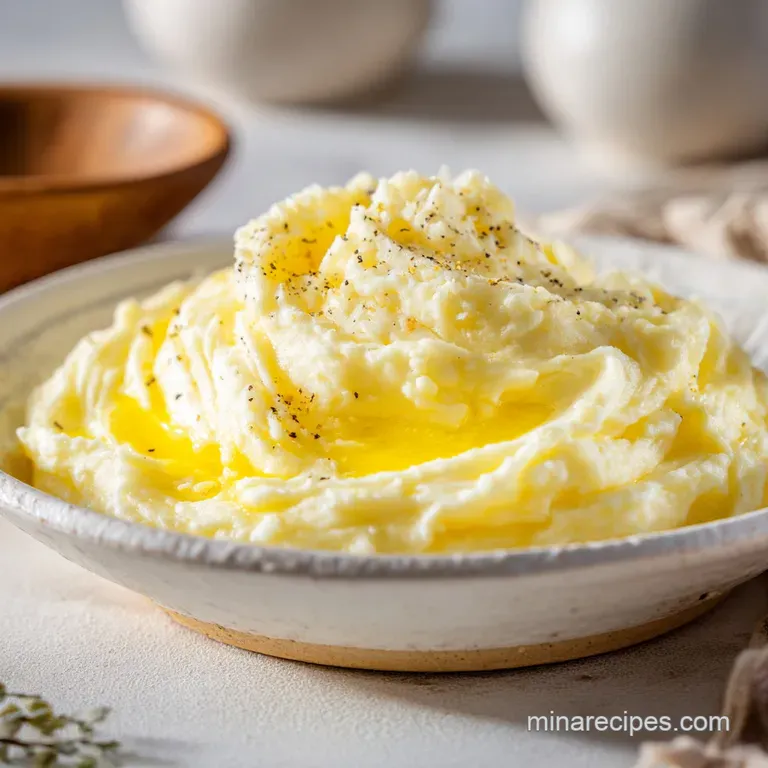
Even with the best intentions, things can go sideways. The most common issue is overworking the potatoes. Think of the starch in a potato like a tiny balloon; if you stir too much or use a high speed mixer, you pop those balloons, and the "glue" leaks out.
Troubleshooting Common Issues
| Issue | Solution |
|---|---|
| Why Your Potatoes Are Gummy | This usually happens because of mechanical over processing. If you use a food processor or a blender, the blades move too fast and shatter the starch molecules. Once that happens, there is no way to r |
| Why Your Potatoes Are Bland | Potatoes are incredible at absorbing salt, but they need it during the boiling phase. If you only salt at the end, the salt just sits on the surface. If your final dish tastes "flat," add a tiny pinch |
| Why Your Potatoes Are Soupy | This happens if you don't drain them well enough or if you add too much liquid at once. Always add your cream mixture in stages. You might not need every last drop of the 3/4 cup of cream depending on |
Flavor Variations To Match Every Special Occasion
While the classic version is hard to beat, you can easily adapt this base to fit the theme of your dinner. It's all about what you steep in that warm cream or what you fold in at the very end.
The Roasted Garlic Twist
Instead of smashing raw garlic into the cream, squeeze an entire head of roasted garlic into the potatoes before ricing them. It adds a deep, caramelized sweetness that is much mellower than raw garlic. This version is incredible with roast beef or lamb.
The Holiday Herb Infusion
Add a sprig of fresh rosemary and two sprigs of thyme to the cream while it warms. Let it steep for 10 minutes, then strain the herbs out. This gives the potatoes an earthy, "Thanksgiving" aroma that pairs perfectly with turkey and cranberry sauce.
Vegan Substitution
If you need a plant based version, you can achieve a similar result using high fat coconut milk (the canned kind) and a quality vegan butter. Use the same "steam dry" technique to ensure the potatoes are ready to absorb the plant based fats. The texture will be slightly less dense but still very creamy.
Decision Shortcut If you want maximum fluffiness, use Russet potatoes and a potato ricer. If you want richer flavor, increase butter to 3/4 cup and use heavy cream only (skip sour cream).
If you want tangy and light, use half and half and double the amount of sour cream.
Scaling The Recipe For Crowds Or Couples
Potatoes are one of the easiest things to scale, but you have to be careful with the seasonings. Spices and salt don't always double linearly; they can quickly become overpowering.
Scaling Down (The Half Batch) If you are cooking for two, cut the potatoes to 1.5 lbs. You can use the same pot, but the cook time might drop by 2-3 minutes because there is less mass in the water. Use 1/4 cup of butter and about 1/3 cup of cream.
Since you are using such small amounts, be extra careful not to scorch the cream in the saucepan.
Scaling Up (The Party Batch) When doubling for a crowd (6 lbs of potatoes), you’ll need a very large stockpot. Keep the salt for the boiling water at about 1.5 tablespoons rather than doubling it fully you can always add more later.
Work in batches when ricing the potatoes so they don't cool down too much while you're working. Keep the finished potatoes in a warm oven (set to 200°F/95°C) covered with foil until ready to serve.
- 1. Potato Size
- 1 inch cubes ensure even heat penetration.
- 2. Internal Temp
- Potatoes are perfectly cooked when they reach 210°F (99°C) internally.
- 3. Steam Dry
- 60 seconds on low heat is the "magic minute" for moisture removal.
Storage Guidelines For Keeping Leftovers Fresh
Leftover mashed potatoes are a gift, but they can get dry in the fridge. To store them, let them cool completely before transferring to an airtight container. They will stay fresh in the fridge for up to 4 days.
To reheat, avoid the microwave if possible, as it can make them oily. Instead, place them in a small pot over low heat with a splash of milk or a knob of butter. Stir gently until they are creamy again.
If you must use the microwave, heat them in 30 second bursts, stirring in between with a little extra liquid to restore the moisture.
Zero Waste Tip: Don't throw away the potato peels! Toss them with a little olive oil and salt, then bake them at 400°F (200°C) until crispy. They make a fantastic "kitchen snack" for the cook.
If you have leftover mash that you can't finish, use it as a thickener for soups or turn them into crispy potato pancakes the next morning by adding an egg and a little flour.
Perfect Main Dishes For Your Potato Side
These potatoes are versatile enough to go with almost anything, but they truly shine when paired with dishes that have a bit of "sauce" or juice. The velvety texture is the perfect vehicle for a rich red wine reduction or a creamy mushroom gravy.
For a classic Sunday dinner, serve these alongside a slow roasted pot roast. The way the potatoes soak up the beef drippings is purely joyful. If you are looking for something a bit lighter, they are excellent with pan seared salmon and a side of roasted asparagus.
The tang of the sour cream in the potatoes pairs beautifully with a squeeze of lemon over the fish.
Finally, don't forget the power of a simple roasted chicken. The crispy skin of the chicken against the soft, buttery potatoes is a texture match made in heaven. No matter what you choose, these potatoes will likely be the first thing to disappear from the table.
Trust the process, don't over mix, and enjoy the comfort of a bowl made from scratch.
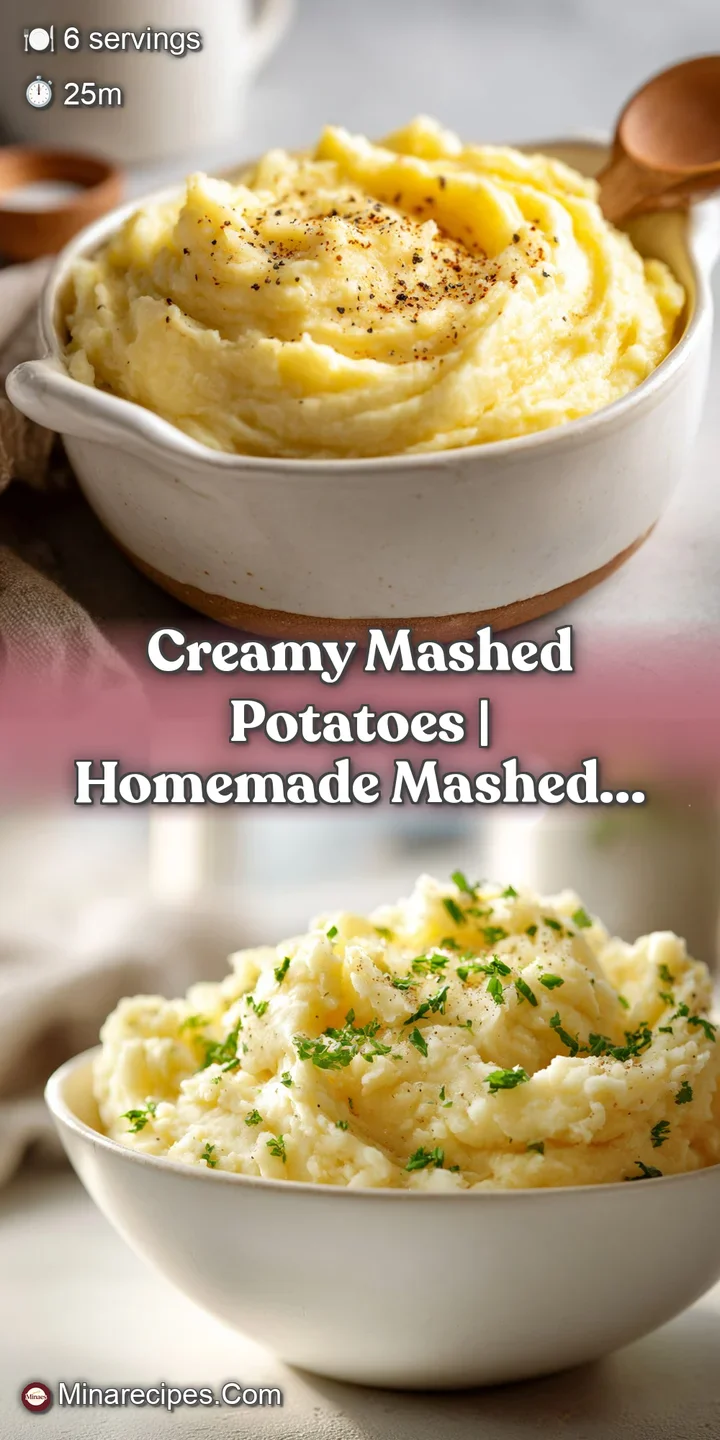
Very High in Sodium
1120 mg 1120 mg of sodium per serving (49% 49% of daily value)
The American Heart Association recommends a maximum daily sodium intake of 2,300mg, with an ideal limit of no more than 1,500mg per day for most adults.
Tips to Reduce Sodium
-
Drastically Reduce Added Salt-30%
Reduce the 1 tbsp fine sea salt and 0.5 tsp kosher salt to a total of 1/4 tsp fine sea salt. This is the biggest sodium contributor.
-
Use Low-Sodium Butter-10%
Substitute the 1/2 cup unsalted butter with a low-sodium or unsalted version to significantly cut down on hidden sodium.
-
Boost Flavor with Fresh Herbs
Enhance the flavor of your potatoes using fresh herbs like chives, parsley, or dill. While this recipe already includes chives, consider adding more or other fresh herbs to complement the reduced salt.
-
Opt for Lower Sodium Dairy-5%
When possible, choose lower sodium versions of heavy cream and sour cream if available, though the primary sodium source is salt. Ensure you are using unsalted butter as a base.
Recipe FAQs
What is the secret to creamy mash?
The secret is using a potato ricer or food mill. Passing the cooked potatoes through these tools ensures an aerated, lump free texture that avoids the starch shattering speed of a food processor.
Is it better to use heavy cream or milk in mashed potatoes?
Use heavy cream for the most luxurious results. Its higher fat content creates a richer mouthfeel compared to milk, especially when infused with melted butter and garlic before being folded into the potatoes.
What can I put in mashed potatoes to make it creamy?
Incorporate a mixture of softened butter, heavy cream, and full fat sour cream. These fats provide the necessary richness, while the sour cream adds a subtle tang that balances the flavor profile perfectly.
How to make the creamiest most luxurious mashed potato?
Steam the potatoes dry after boiling and use a ricer. After draining, return potatoes to the warm pot for 60 seconds to evaporate residual moisture before folding in your warm cream and butter infusion.
Is it true I should boil my potatoes in plain water?
No, this is a common misconception. You must add a tablespoon of fine sea salt to your water before boiling; otherwise, the potatoes remain bland because they cannot absorb seasoning once cooked.
How to fix gummy or gluey mashed potatoes?
Avoid using high speed blenders or food processors. Mechanical over processing shatters the starch molecules, turning your potatoes into a gluey texture that cannot be repaired once the structure is destroyed.
How to store and reheat leftover mashed potatoes?
Cool them completely before storing in an airtight container for up to 4 days. When ready to eat, gently heat them in a pot over low heat, adding a knob of butter to restore their original creamy consistency.
Creamy Yukon Gold Mashed Potatoes
Ingredients:
Instructions:
Nutrition Facts:
| Calories | 438 kcal |
|---|---|
| Protein | 5.8 g |
| Fat | 28.6 g |
| Carbs | 41.4 g |
| Fiber | 4.9 g |
| Sugar | 2.3 g |
| Sodium | 1120 mg |
